Part of our INSYDIUM Fused Collection, X-Particles is a fully-featured advanced particle and VFX system for Maxon’s Cinema 4D. Its unique rule system of Questions and Actions enables complete control over particle simulations.

Part of our INSYDIUM Fused Collection, X-Particles is a fully-featured advanced particle and VFX system for Maxon’s Cinema 4D. Its unique rule system of Questions and Actions enables complete control over particle simulations.
Then, in a small rebellion against despair, he began to imagine new ways to be present. He started leaving little notes: a slip of paper under her teacup with a single line—"You smiled today"—so that she would meet a fragment of recognition. He learned to tell stories that did not require past knowledge. He learned to savor the thing she could still give him: the warmth of a hand in his, the way her eyes would light at sunlight through the blinds, the tiny approvals she offered when she liked a song or a phrase. Those moments became their own currency.
"Akari," he said into a device that translated time into a file, "this is our life." He described the apartment: the chipped vase on the windowsill, the spider plant with one stubbornly green leaf. He described the mundane triumphs that had become their history—how she preferred her green tea at 80 degrees, how she misplaced her glasses only to find them on her head. He recorded the recipes she said no one else would perfect, the nickname she used when she wanted him to come closer. dass070 my wife will soon forget me akari mitani
Sometimes, too, there were quiet reconciliations: he would speak candidly of his fear without begging for pity. He let her see him break, and she, in her waning lucidity, held him. It was a compassion that did not need full comprehension. She could not always place the cause, but she felt the feeling—the tremor of human closeness—and she responded. Then, in a small rebellion against despair, he
One afternoon, she looked at him with a clarity that stopped his breath. "Do you remember the festival?" she asked. He learned to savor the thing she could
He would not stop saying her name. He would not stop making lists of small facts: favorite songs, the way she liked the rice, the way she tilted her head when amused. He would keep telling the same stories, the same jokes, letting them become their own kind of permanence. And when dusk fell, he would hold her hand and say, simply, "We are here," and that was, for now, enough.
Then, in a small rebellion against despair, he began to imagine new ways to be present. He started leaving little notes: a slip of paper under her teacup with a single line—"You smiled today"—so that she would meet a fragment of recognition. He learned to tell stories that did not require past knowledge. He learned to savor the thing she could still give him: the warmth of a hand in his, the way her eyes would light at sunlight through the blinds, the tiny approvals she offered when she liked a song or a phrase. Those moments became their own currency.
"Akari," he said into a device that translated time into a file, "this is our life." He described the apartment: the chipped vase on the windowsill, the spider plant with one stubbornly green leaf. He described the mundane triumphs that had become their history—how she preferred her green tea at 80 degrees, how she misplaced her glasses only to find them on her head. He recorded the recipes she said no one else would perfect, the nickname she used when she wanted him to come closer.
Sometimes, too, there were quiet reconciliations: he would speak candidly of his fear without begging for pity. He let her see him break, and she, in her waning lucidity, held him. It was a compassion that did not need full comprehension. She could not always place the cause, but she felt the feeling—the tremor of human closeness—and she responded.
One afternoon, she looked at him with a clarity that stopped his breath. "Do you remember the festival?" she asked.
He would not stop saying her name. He would not stop making lists of small facts: favorite songs, the way she liked the rice, the way she tilted her head when amused. He would keep telling the same stories, the same jokes, letting them become their own kind of permanence. And when dusk fell, he would hold her hand and say, simply, "We are here," and that was, for now, enough.
xpScatter enables you to scatter your objects over multiple scene geometry, from splines to parametric objects all at the same time.
The topology tab will enable you to distribute your scatter on landscape slope, height, and curvature to create realistic ecosystems.
Animate your growth by using textures, X-Particles modifiers, and Mograph effectors.
Use multiple display modes for fast viewport performance. You can even restrict the scatter of objects to within the camera field of vision for optimal efficiency.
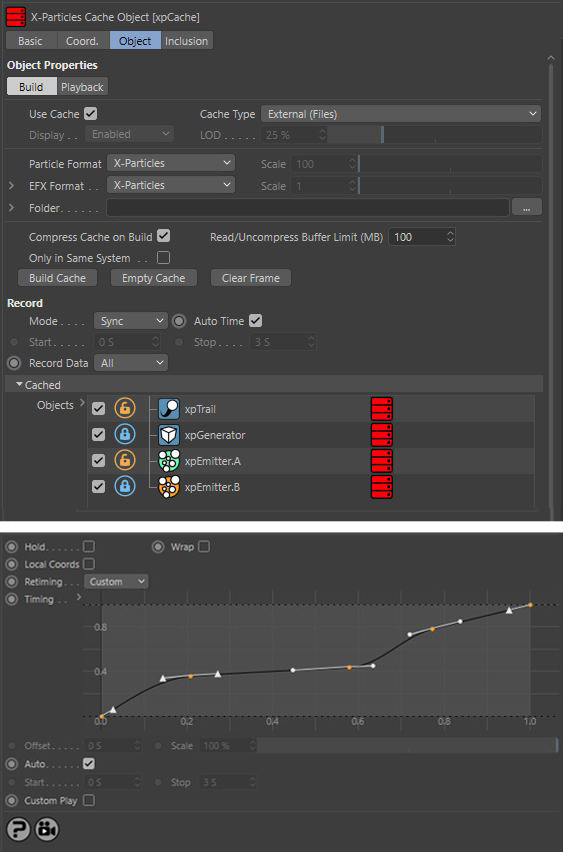
Our time and custom spline retiming option give you fine control over playback. The new cache layers in xpCache enables you to lock and unlock to re-cache objects in your scene.

X-Particles is built seamlessly into Cinema 4D like it is part of the application. It’s compatible with the existing particle modifiers, object deformers, Mograph effectors, Hair module, native Thinking Particles, and works with the dynamics system in R14 and later.
If you know how to use the Mograph module, you already know how to use X-Particles, it's that easy.
X-Particles has the most advanced particle rendering solution on the market. It enables you to render particles, splines, smoke and fire, all within the Cinema 4D renderer. Included are a range of shaders for sprites, particle wet maps and skinning colors. You can even use sound to texture your objects.
Perfectly partnered with INSYDIUM’s Cycles 4D and also compatible with the following: