Kms All Aio Releases Portable -

Build confidence, precision, and consistency — with the most advanced practice app for musicians. The app trusted by Broadway musicians, Juilliard students, and teachers worldwide.

Trusted by 1M+ musicians worldwide
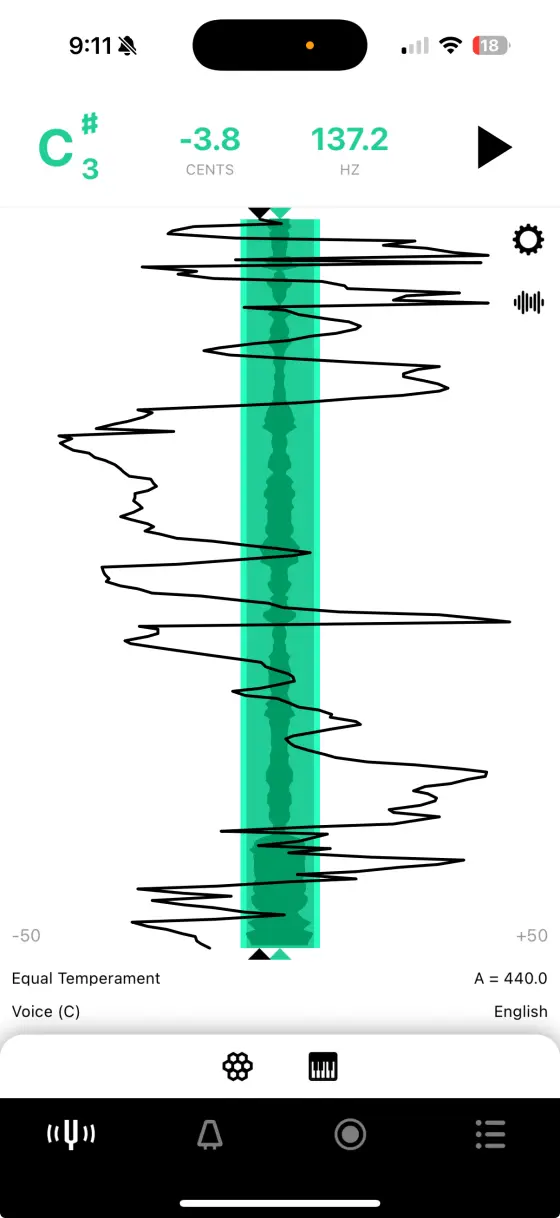
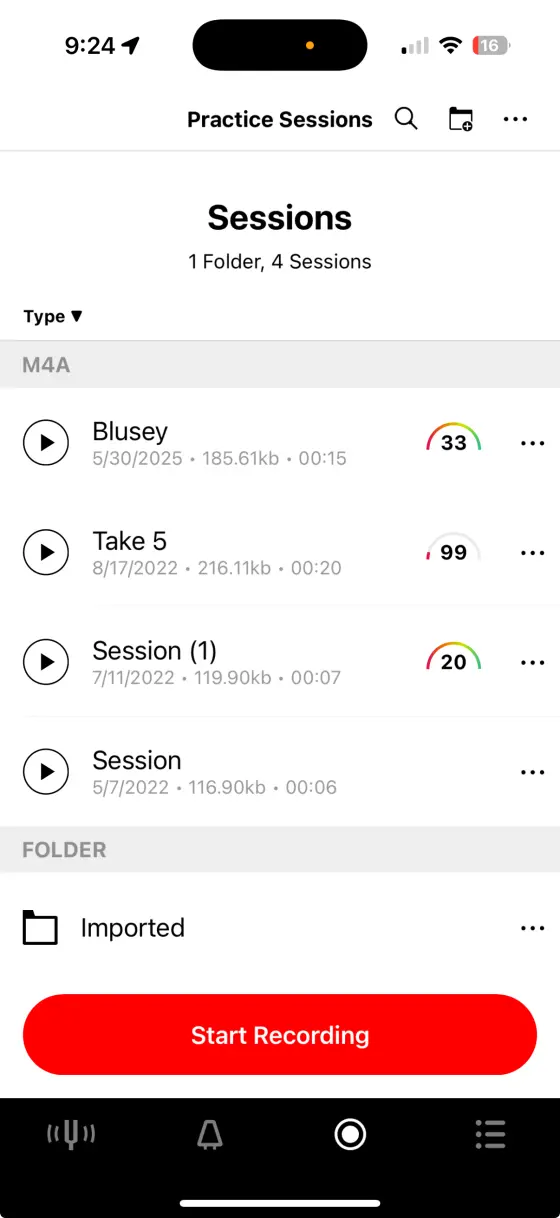
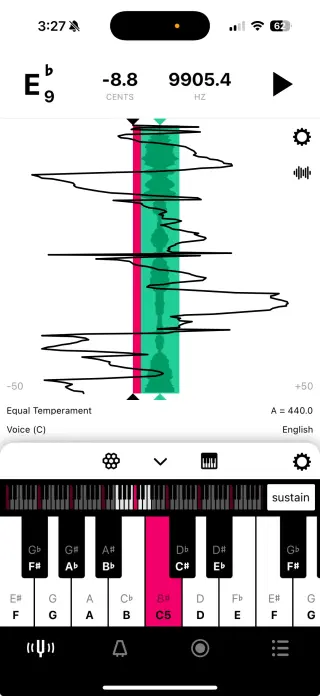
Tunable chromatic tuner showing real-time pitch detection and Sustained Pitch History

Trusted by millions worldwide

The best tuner, metronome, and recorder on iOS and a pitch-perfect bargain for any musician.
MacLife • Technology Review

Trusted by

Tunable is used by students and faculty at the Juilliard School, Berklee College of Music, Broadway productions, and Music Teachers Association members worldwide.

World map showing Tunable users across six continents
For Every Musician

From classroom to concert hall

Tunable grows with you. Start as a beginner, develop your skills, and join the ranks of professionals who rely on Tunable every day.

🎓

Students & Beginners

Build confidence with practice feedback and clear visual cues

🎭

Professional Musicians

Broadway musicians and Juilliard students trust Tunable for precision

👨‍🏫

Music Teachers

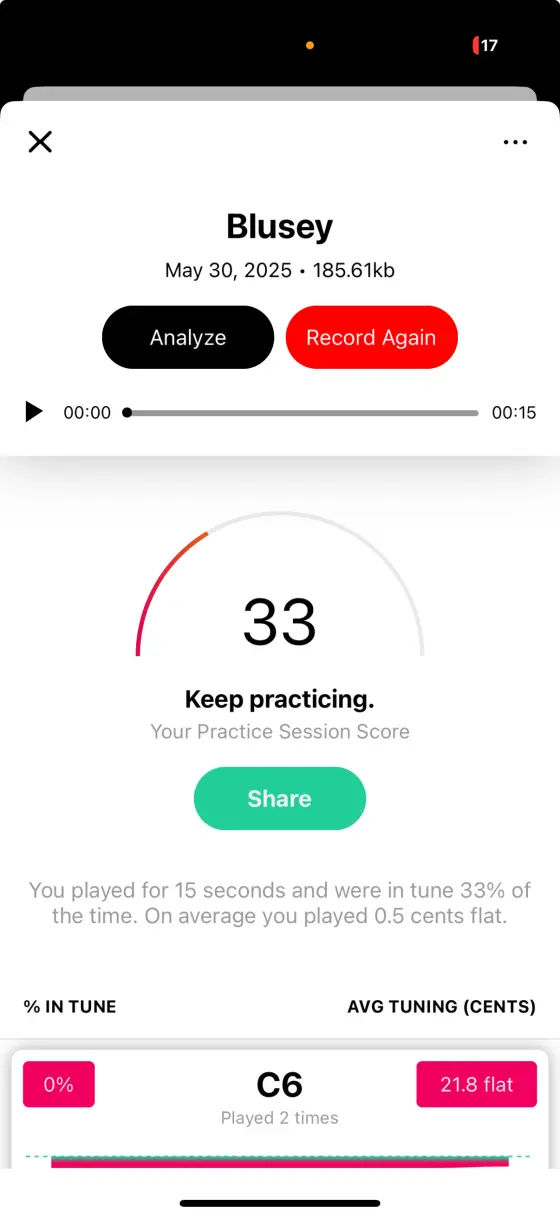
Share recordings and track student progress with detailed analytics

Young student taking first steps in music with Tunable practice app

First Steps

"Perfect for building confidence in young musicians"

Beginner
Students practicing together in ensemble using synchronized metronome

Ensemble Practice

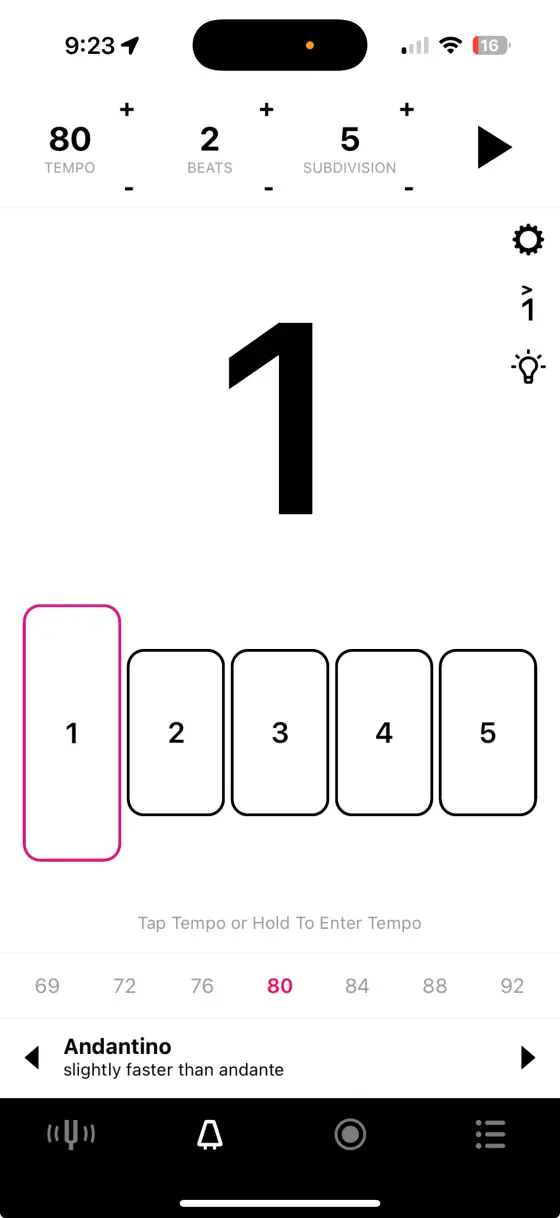
"Synchronizes timing across multiple instruments"

School Band
Student performing at Juilliard recital after practicing with Tunable

Elite Training

"Trusted by conservatory students worldwide"

Juilliard
Professional Broadway orchestra musicians who use Tunable

Broadway Orchestra

"Trusted by professional musicians on Broadway stages"

Broadway

Kms All Aio Releases Portable -

Jonas texted to ask if she’d gone through with it. She typed: YES. He arrived just as the first files spilled into the public mirror. People noticed only as their devices refreshed: a new playlist, a restored film, a text collection in a language a grandmother had spoken. The child’s projection map paused, then loaded a short, grainy film taken in the city decades ago; the vendor watched a violin solo and let a rare smile cross her face.

She slipped the unit into the terminal’s maintenance port. For a moment, nothing happened. Then the screen blinked: CONNECTED — AUTH: GRACEFUL. Mina smiled; KMS could pretend to be many things, and the hub trusted an old maintenance token long abandoned by bureaucracy. The device began to echo a list: TITLE — ORIGIN — FORMAT. It offered choices like an unbidden library: forgotten documentaries, indie albums, archived code tools, a thousand small works curated by no committee and loved by someone.

Mina rubbed her palms together. “I wanted more people to be seen and heard. That makes a mess sometimes.”

Mina had seen how the world changed around it. Patches that once required racks of servers now fit in a palm. Films, software suites, orchestras of synthesizers—everything released as tidy, portable bundles. People called them “releases”: curated universes of code, art, and sound that could be dropped into any machine and run offline, instantly. KMS made releasing effortless and portable, and that was why governments, corporations, and lone creators wanted it. It leveled the field — and made chaos possible.

Mina kept her unit in a drawer for a while, then lent it out, then taught workshops in public libraries. She taught people how to wrap releases responsibly: annotate the provenance, preserve creators’ intent where possible, and include safety notes for sensitive material. She told people that a portable was only as good as the hands that carried it.

Jonas found her on the roof, watching the city, the first light threading high glass. “You wanted to level the field,” he said. “You didn’t want to hand new gates to the people who already had them.”


Jonas texted to ask if she’d gone through with it. She typed: YES. He arrived just as the first files spilled into the public mirror. People noticed only as their devices refreshed: a new playlist, a restored film, a text collection in a language a grandmother had spoken. The child’s projection map paused, then loaded a short, grainy film taken in the city decades ago; the vendor watched a violin solo and let a rare smile cross her face.

She slipped the unit into the terminal’s maintenance port. For a moment, nothing happened. Then the screen blinked: CONNECTED — AUTH: GRACEFUL. Mina smiled; KMS could pretend to be many things, and the hub trusted an old maintenance token long abandoned by bureaucracy. The device began to echo a list: TITLE — ORIGIN — FORMAT. It offered choices like an unbidden library: forgotten documentaries, indie albums, archived code tools, a thousand small works curated by no committee and loved by someone.

Mina rubbed her palms together. “I wanted more people to be seen and heard. That makes a mess sometimes.”

Mina had seen how the world changed around it. Patches that once required racks of servers now fit in a palm. Films, software suites, orchestras of synthesizers—everything released as tidy, portable bundles. People called them “releases”: curated universes of code, art, and sound that could be dropped into any machine and run offline, instantly. KMS made releasing effortless and portable, and that was why governments, corporations, and lone creators wanted it. It leveled the field — and made chaos possible.

Mina kept her unit in a drawer for a while, then lent it out, then taught workshops in public libraries. She taught people how to wrap releases responsibly: annotate the provenance, preserve creators’ intent where possible, and include safety notes for sensitive material. She told people that a portable was only as good as the hands that carried it.

Jonas found her on the roof, watching the city, the first light threading high glass. “You wanted to level the field,” he said. “You didn’t want to hand new gates to the people who already had them.”
Start your musical journey today

Join millions of musicians who practice with confidence. Download Tunable and discover what you're truly capable of.

Works on iPhone and Android
No ads, no subscriptions required