1. Standard Tamil Keyboard Layout
High resolution image suitable for printing.
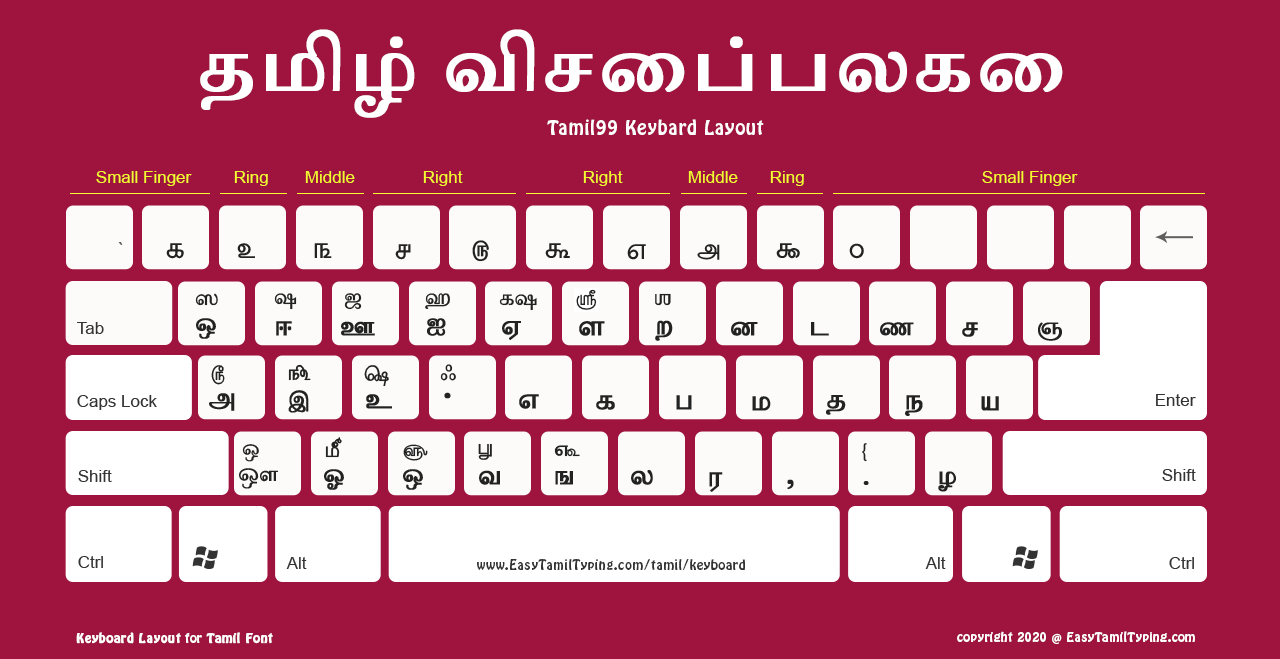
We have five different Tamil keyboard layouts for you to download on your computer. Once downloaded — you can use it as a reference to type in Tamil either on Word document or any other text editor. You also need to download the matching Tamil fonts.
High resolution image suitable for printing.
High resolution image suitable for printing.
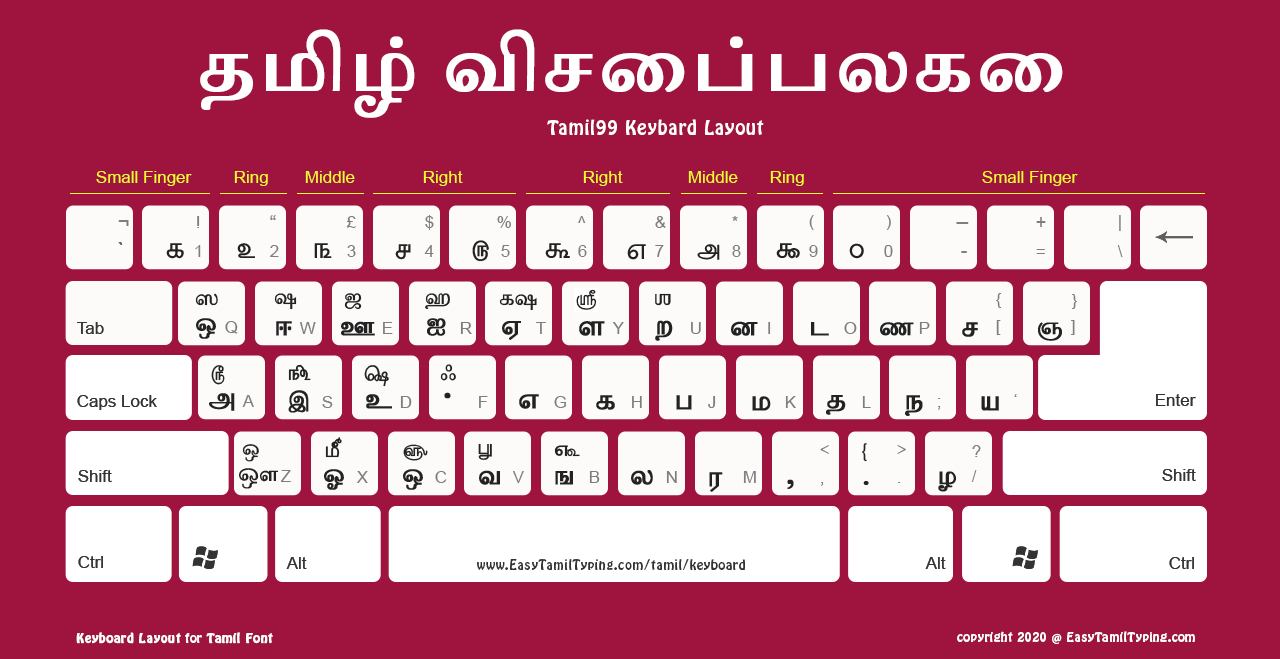
High resolution image suitable for printing.
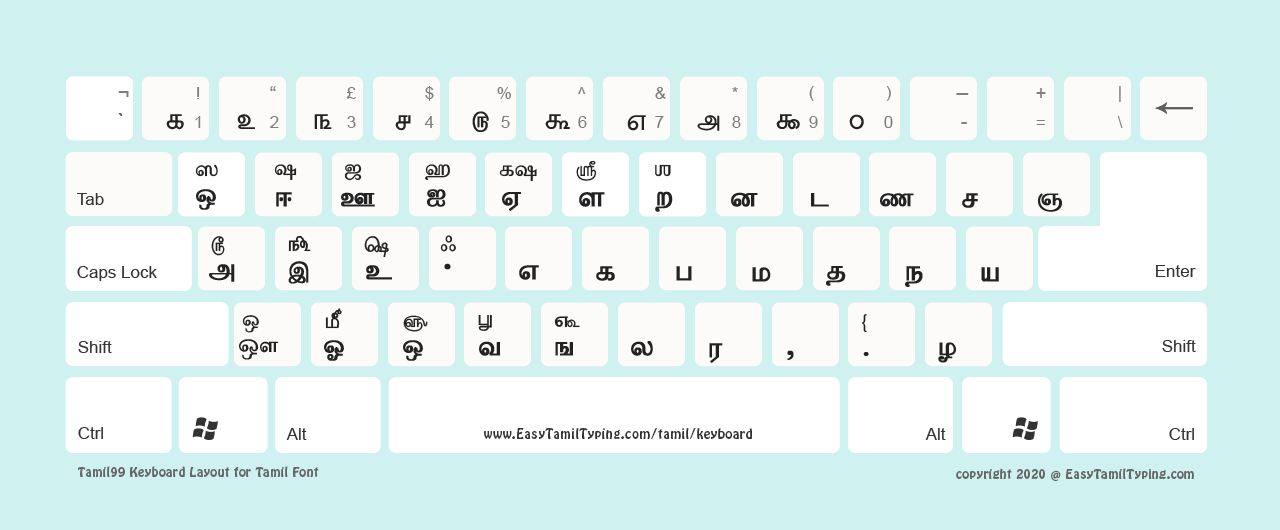
High resolution image suitable for printing.
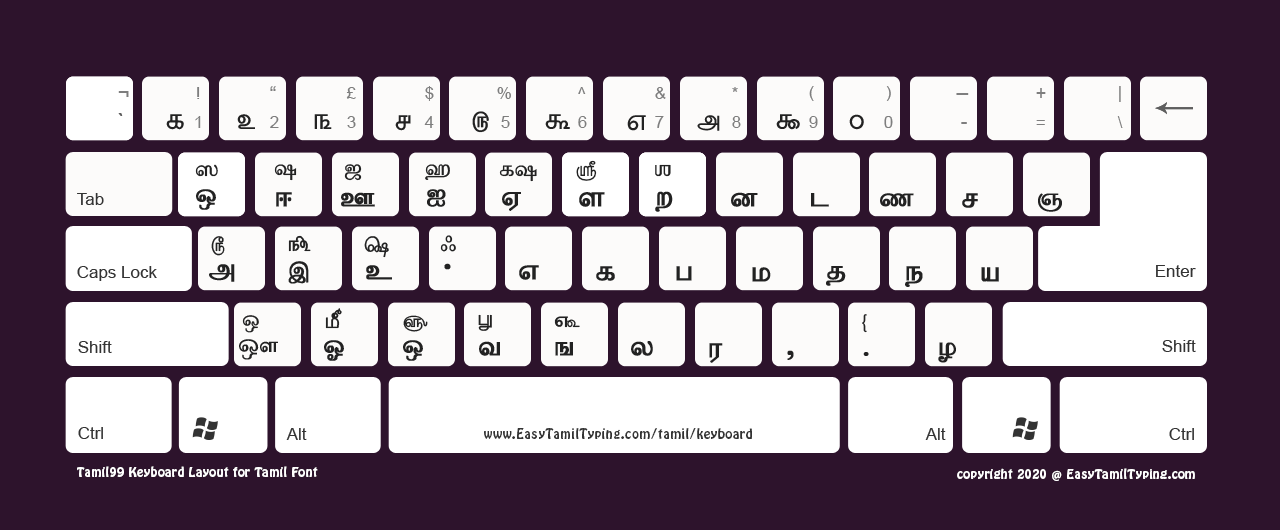
High resolution image suitable for printing.
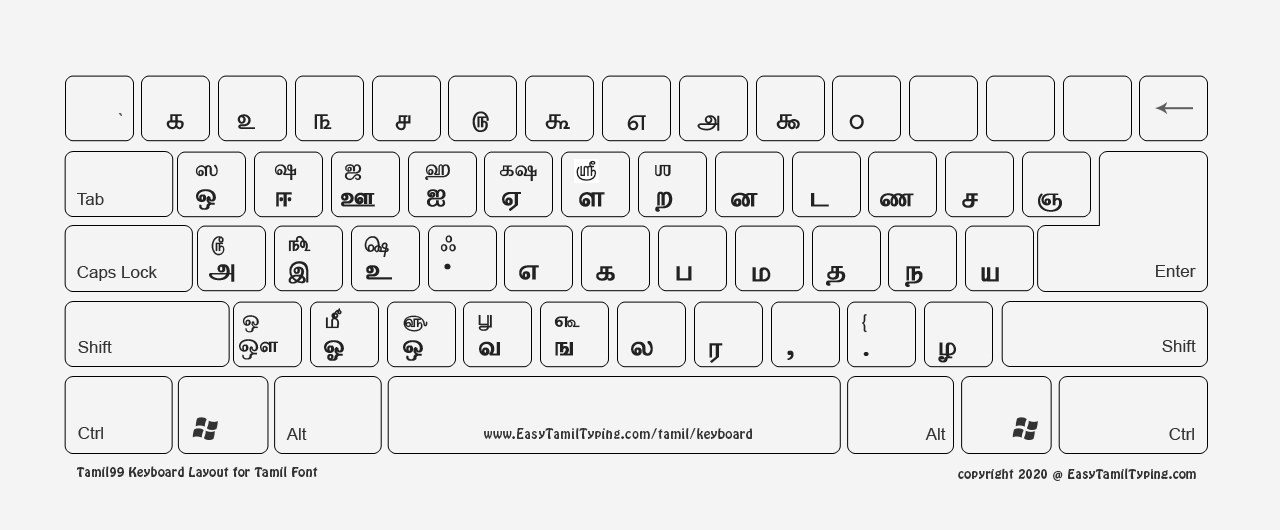
Here's our systematic approach to setting up Tamil typing.
Acquire your Tamil font — browse our curated fonts library and install the ideal typeface for your Tamil writing needs.
Obtain your keyboard reference using this reliable download process:
Click on your preferred keyboard layout from our collection
Right-click when the high-resolution image appears
Choose "Save image as..." and save to your preferred location
Establish your typing environment by opening any word processor and selecting the Tamil font you installed earlier.
Launch your Tamil writing session! Position your keyboard image for easy viewing while you compose beautiful Tamil text.
Expert recommendation: Limited screen space? Our keyboards deliver outstanding print clarity — print one for a reliable desktop reference that's always ready when you need it!
Designed for Tamil99 keyboard layout — accurately mapped to provide an authentic Tamil typing experience with correct character placement.
Meets professional standards — designed for typists, and businesses requiring error-free Tamil documentation.
Supports various display formats — perfect for presentations, reference guides, digital displays, and high-quality printing.
Offers unrestricted licensing — use freely for academic research, commercial projects, educational materials, or personal correspondence.
Technology, portability, and user demand The “portable” part of the phrase highlights a modern truth: audiences expect content on-demand, on-device, and frictionless. Smartphones, offline players, and lightweight file formats let people carry entire soundtracks and films in their pockets. This portability has democratised access—especially for diaspora communities eager for cultural connection—but it also creates tension between convenience and creators’ rights.
Community identity and niche ecosystems (YogiCom) The invented or niche-sounding term “YogiCom” suggests small, focused communities—online forums, WhatsApp groups, or local tech collectives—where spiritual, cultural, or technical interests intersect. Such communities can be powerful engines for preservation: curating rare tracks, documenting oral histories, and promoting regional artists. When these collectives prioritize consent and licensing, they become custodians rather than pirates—helping sustain the cultural ecosystem. malayalam yogicom isaimini portable
Legality, ethics, and the Isaimini legacy Isaimini is widely known as a repository that facilitated free sharing of copyrighted Indian films and music—often without permission. That legacy forces a central ethical question: how should audiences balance legitimate desire for access with respect for creators’ livelihoods? Unauthorised distribution undermines the industry that produces the art people cherish. Any responsible conversation must encourage legal, ethical alternatives—licensed streaming, purchase of digital albums, or support for creators via official channels. Legality, ethics, and the Isaimini legacy Isaimini is
The phrase “Malayalam YogiCom Isaimini Portable” reads like a collision of cultural threads, technology, and the persistent human urge to carry media with us. Each word evokes a distinct world: Malayalam signals a rich linguistic and cinematic tradition; YogiCom suggests a niche community or a brand blending spirituality and computing; Isaimini recalls a long-standing, controversial archive of Tamil and regional music and films; Portable implies mobility, convenience, and the ethics of distribution. Together they invite a nuanced conversation about access, creativity, legality, and digital culture in South India and the global diaspora. they are narrative agents—evoking mood
Cultural context and creative value Malayalam cinema has earned global respect for its storytelling, realism, and musical heritage. Songs and soundtracks are not mere accompaniments; they are narrative agents—evoking mood, memory, and community identity. Any discussion that places Malayalam alongside Isaimini demands acknowledgement of this creative value: the composers, singers, lyricists, and technicians whose work animates regional life and carries it abroad.
 Sambhu Raj Singh ·