







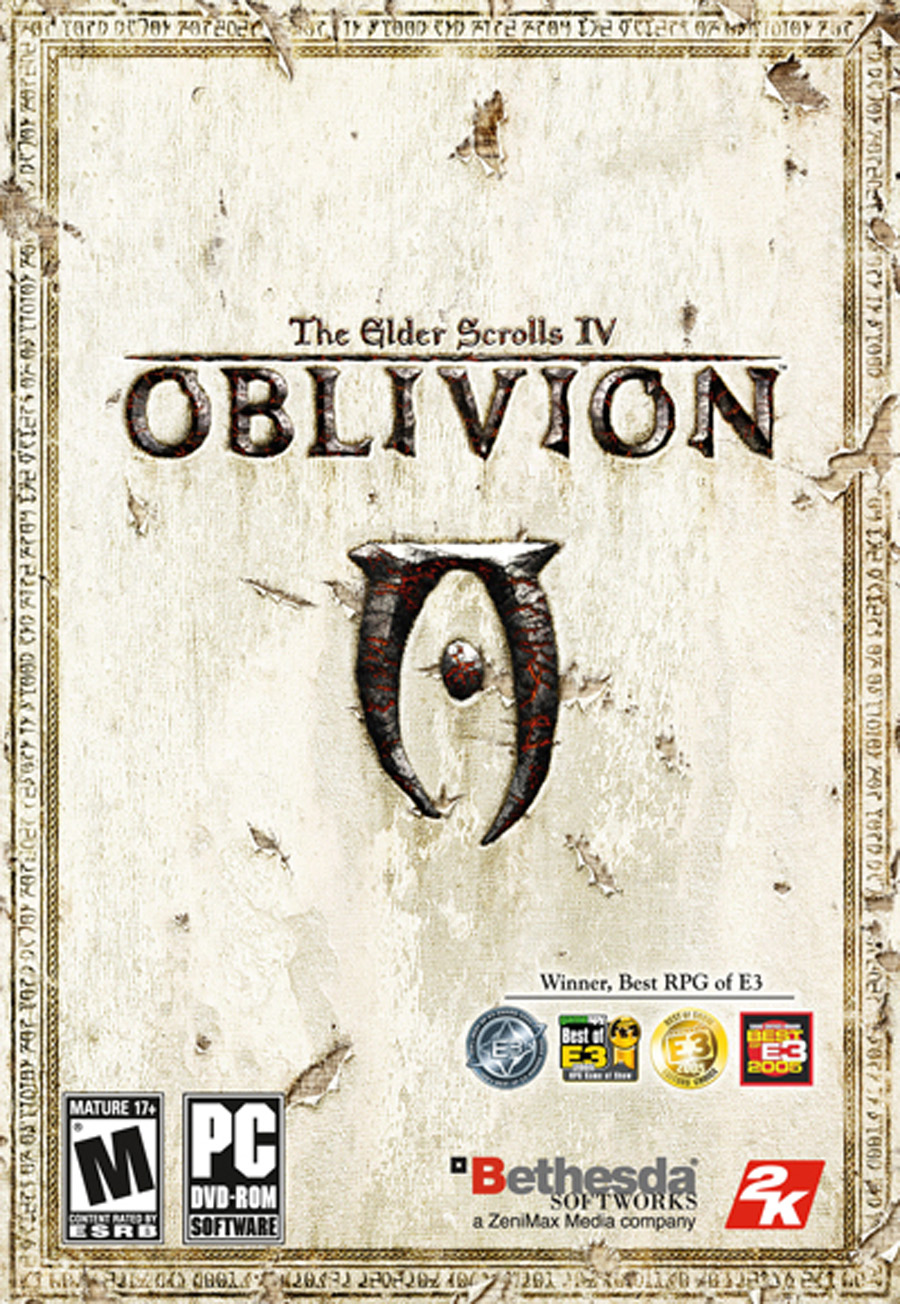
 The Elder Scrolls IV: Oblivion
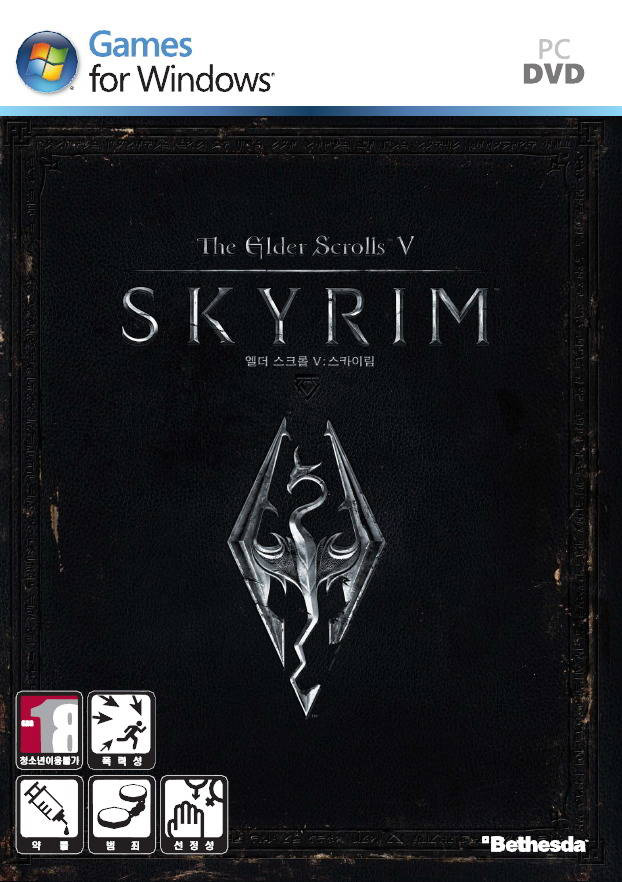 The Elder Scrolls V: Skyrim
 The Elder Scrolls: Online
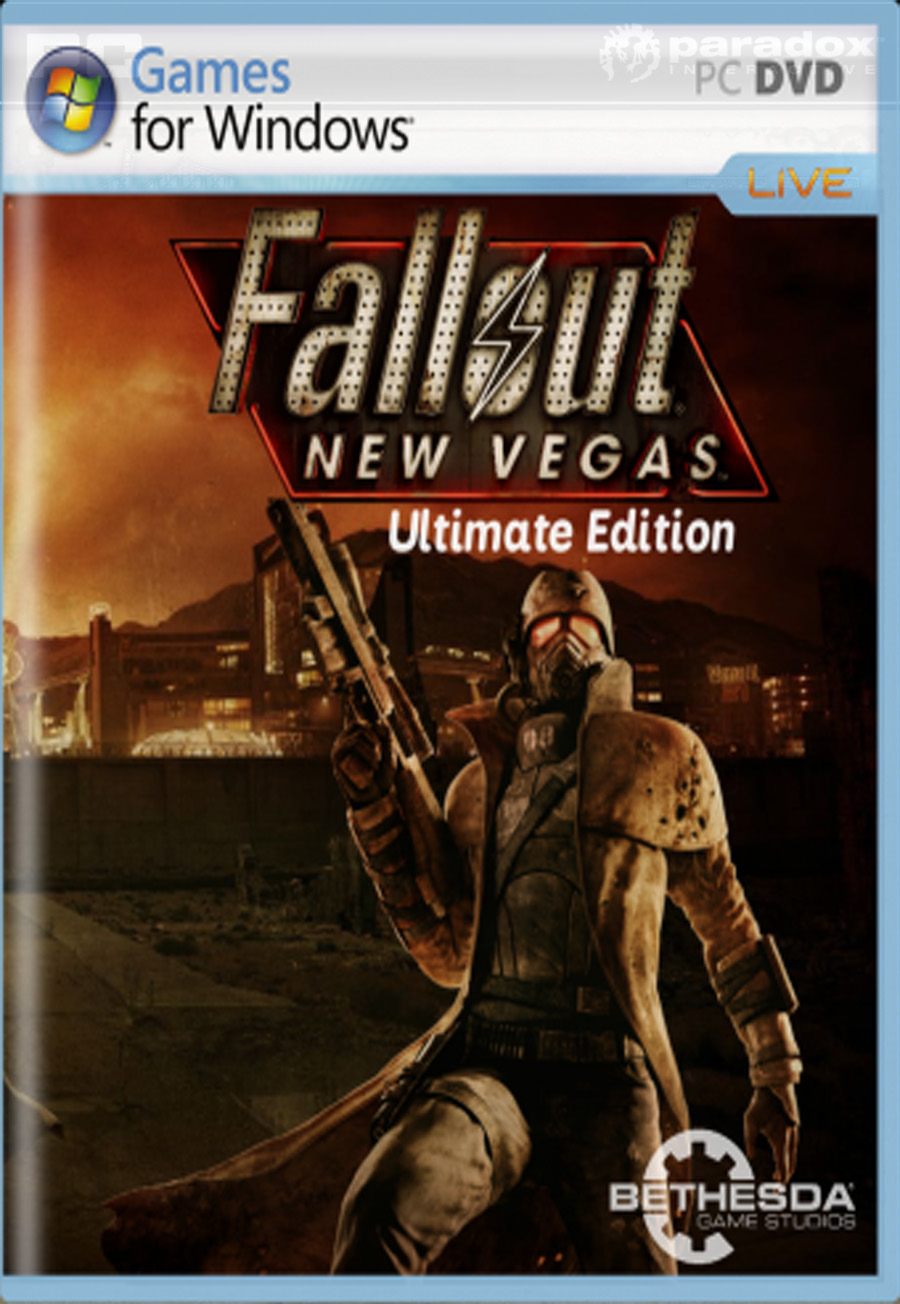 Fallout: New Vegas
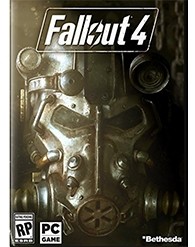 Fallout 4
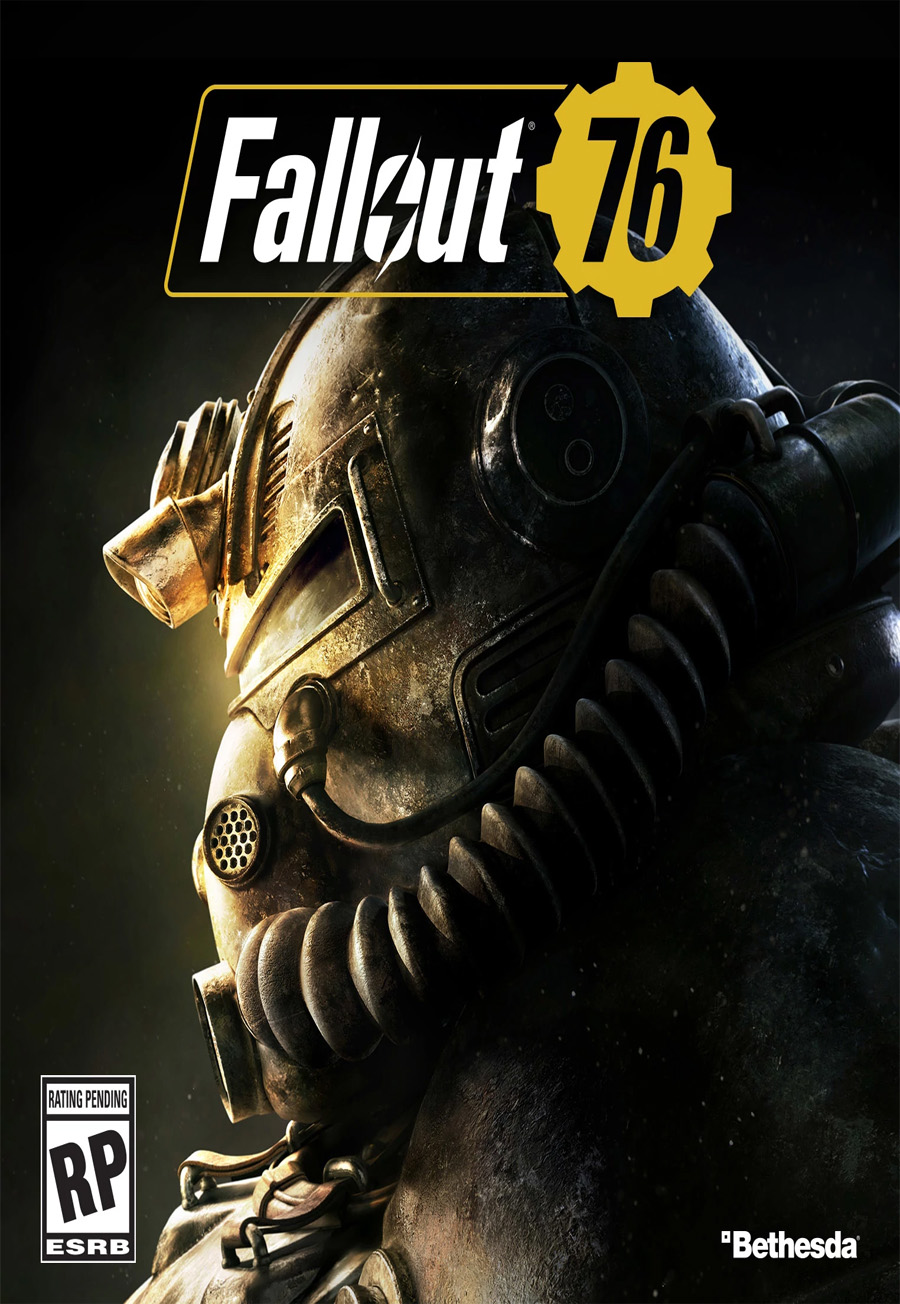 Fallout 76
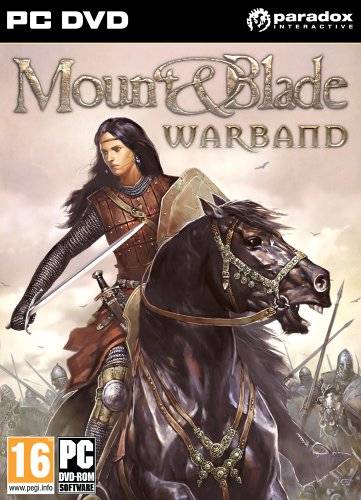 Mount & Blade: Warband
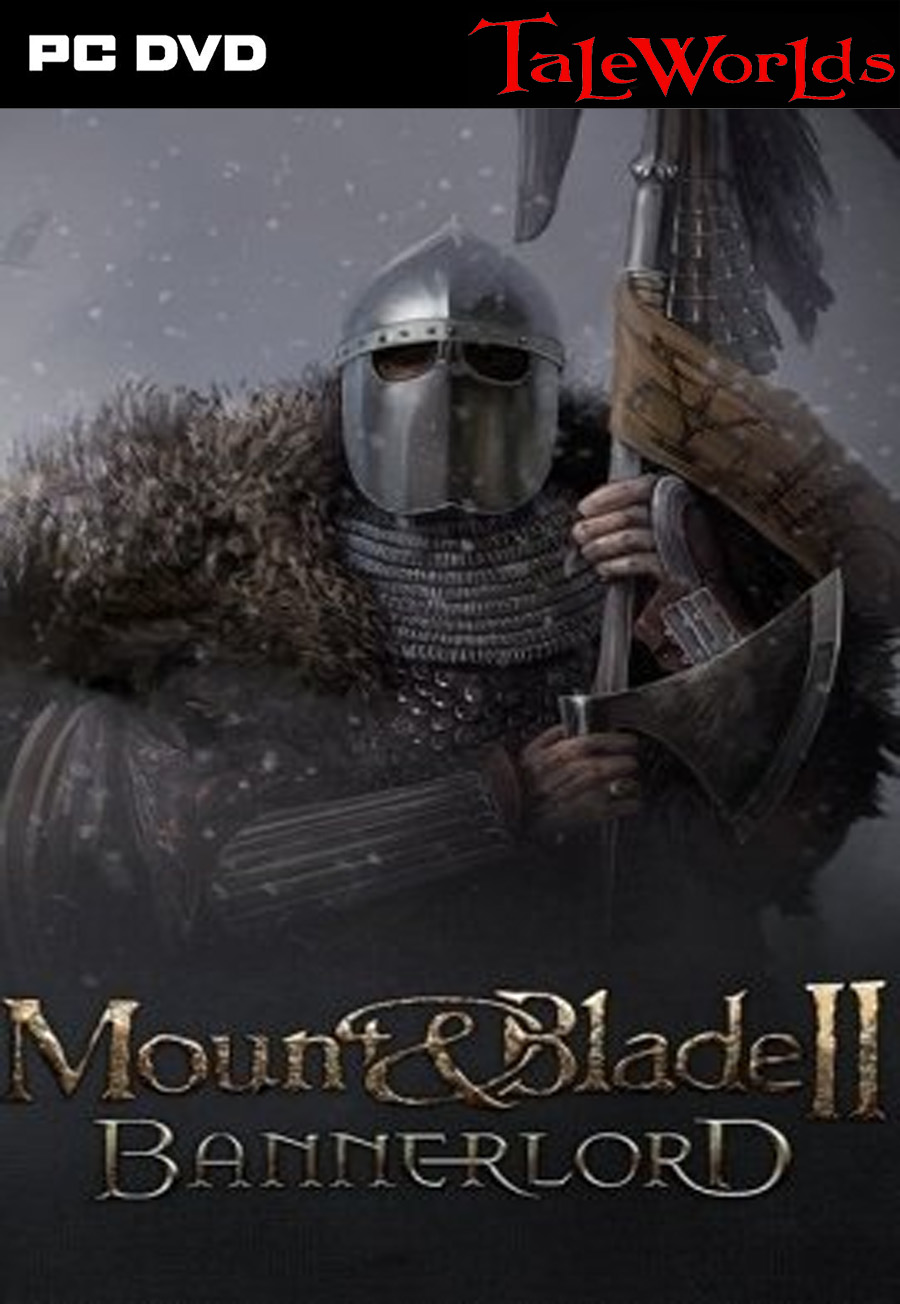 Mount & Blade II: Bannerlord
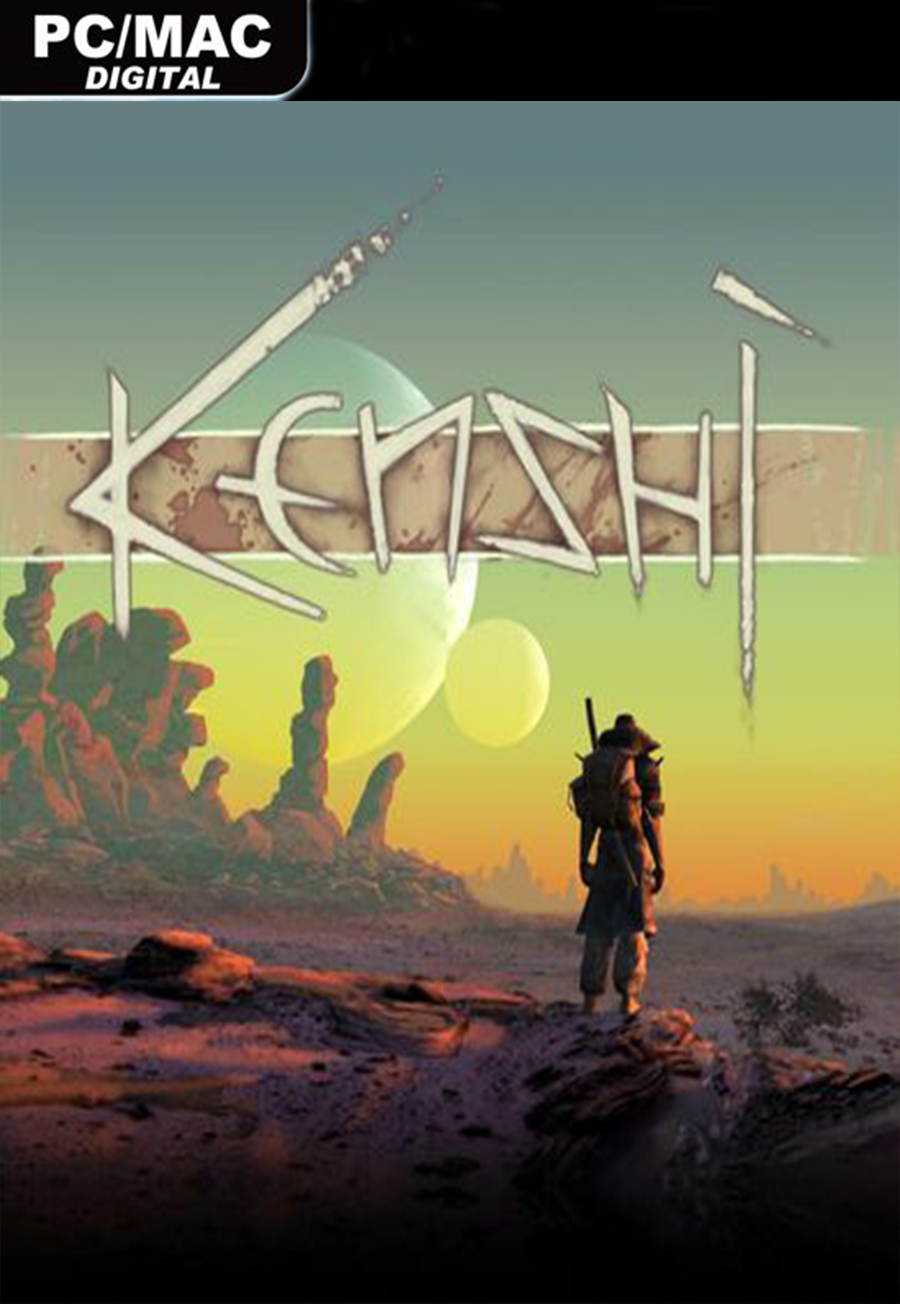 Kenshi
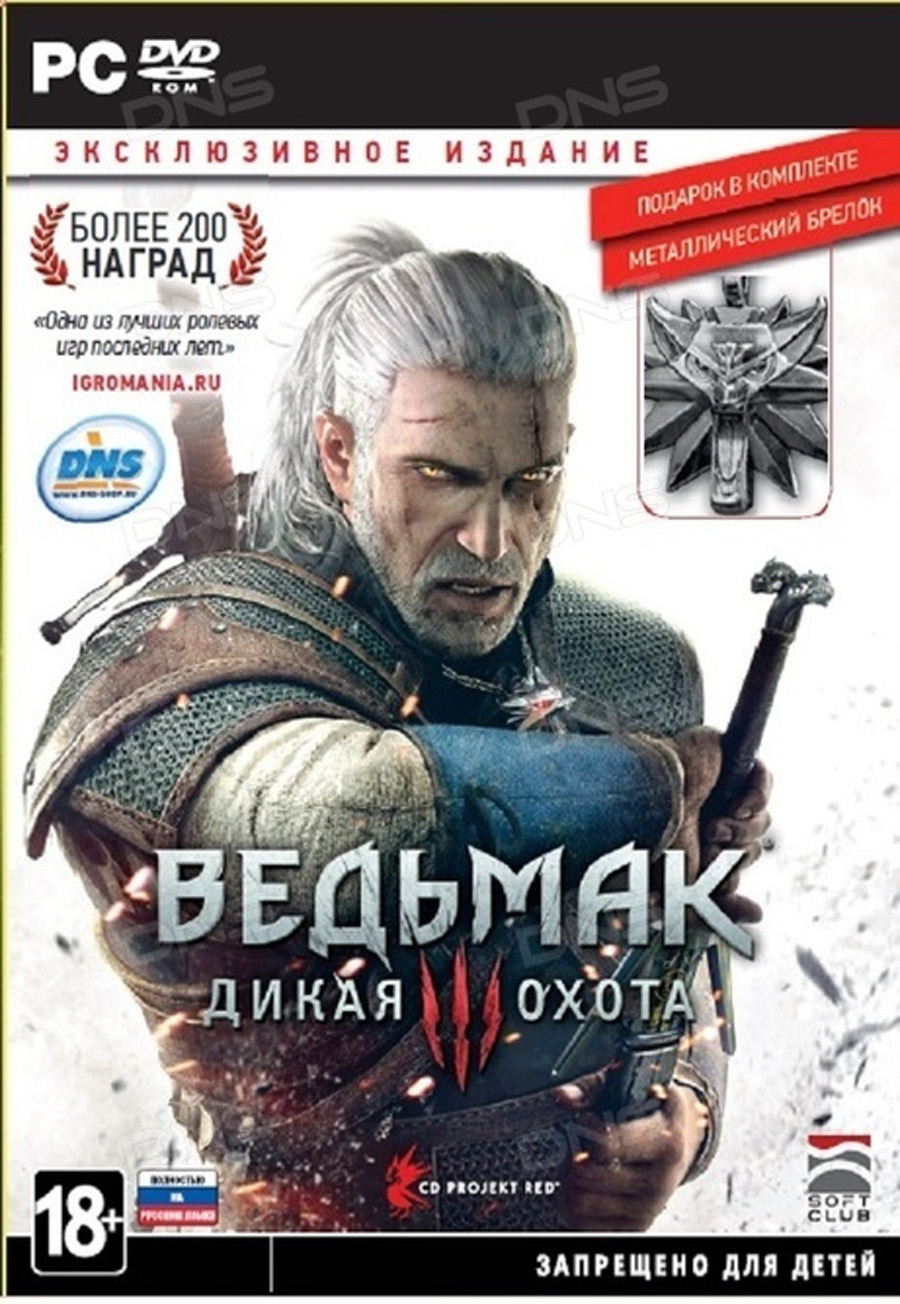 The Witcher 3: Wild Hunt
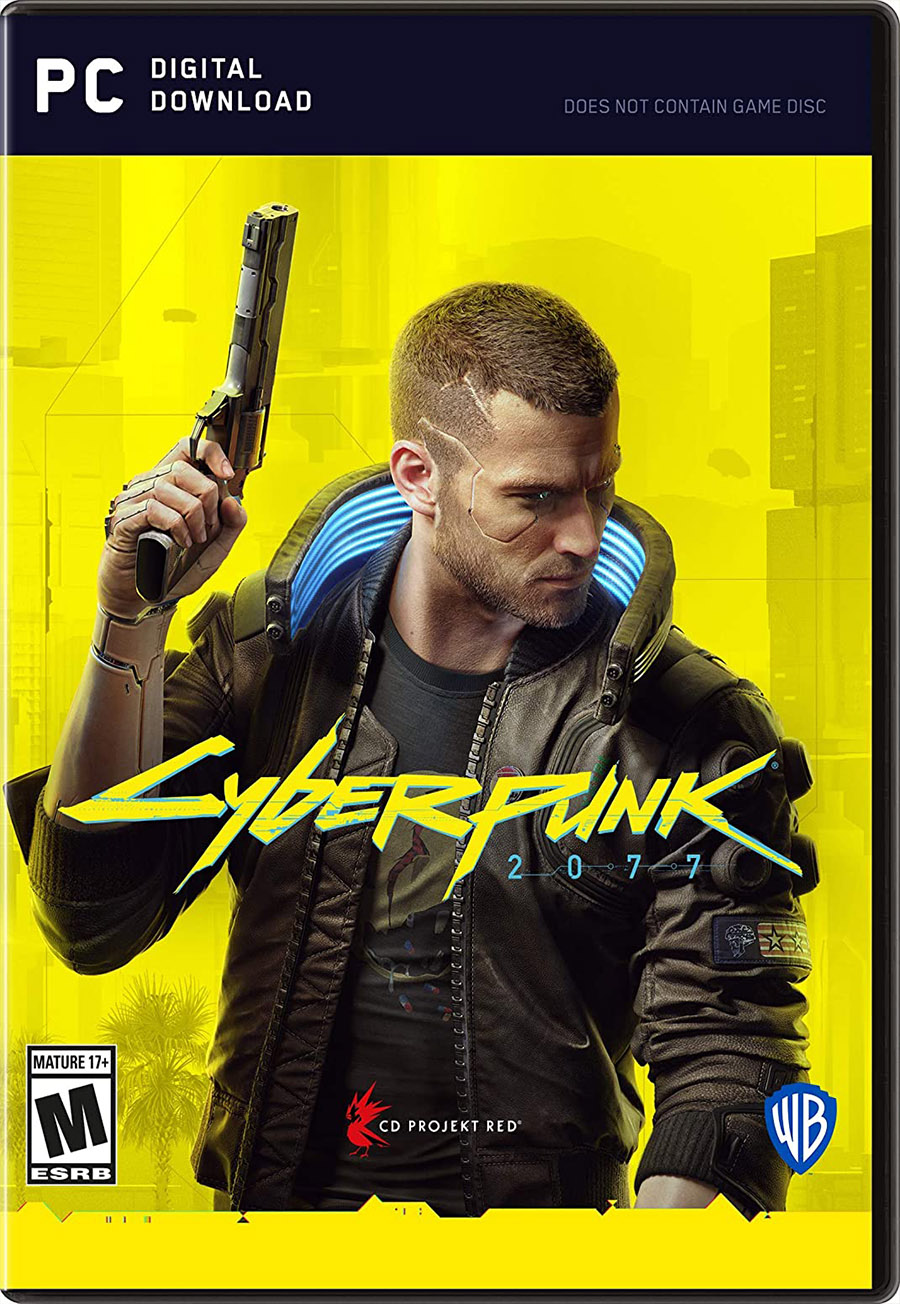 Cyberpunk 2077
 Kingdom Come: Deliverance
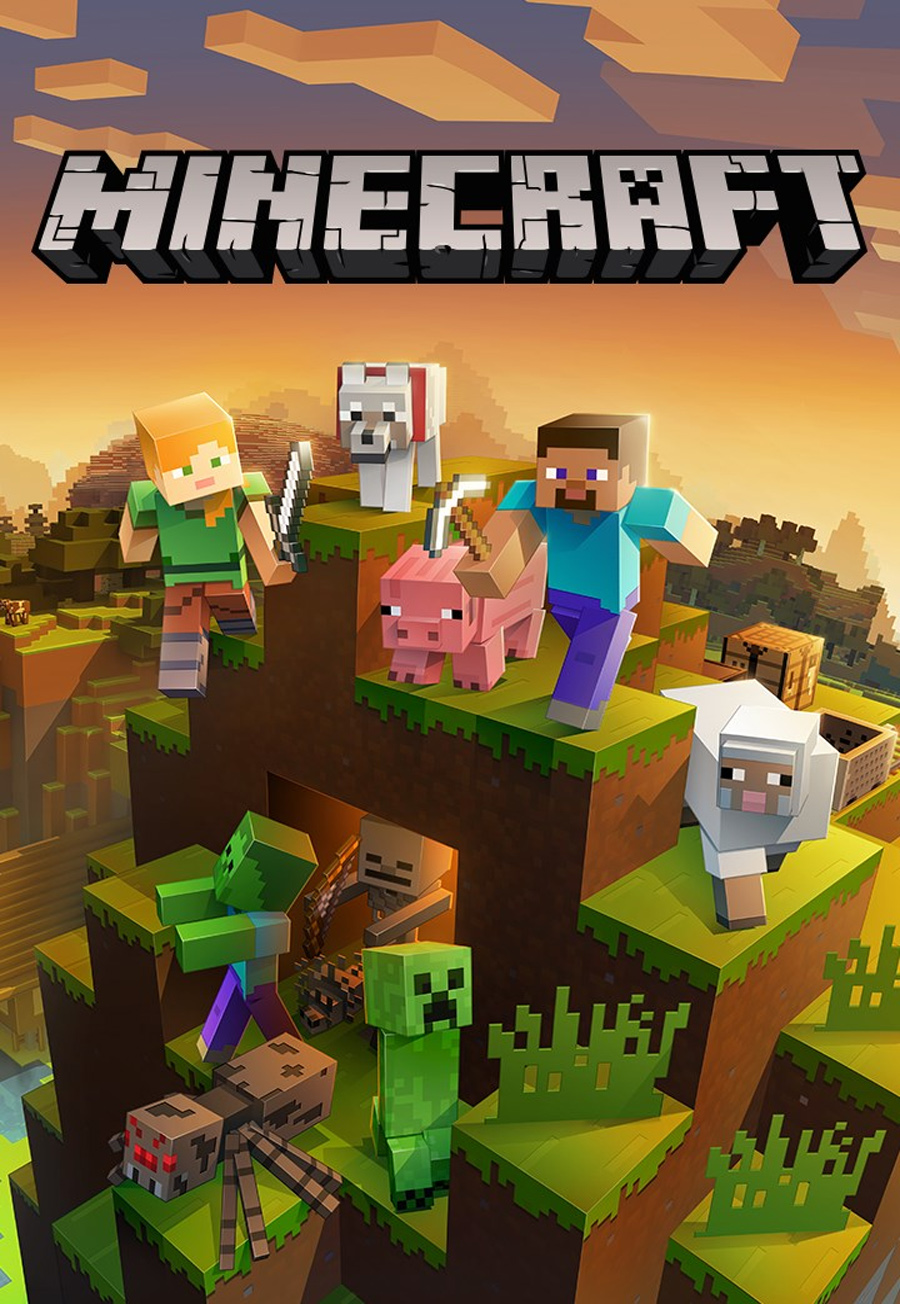 Minecraft
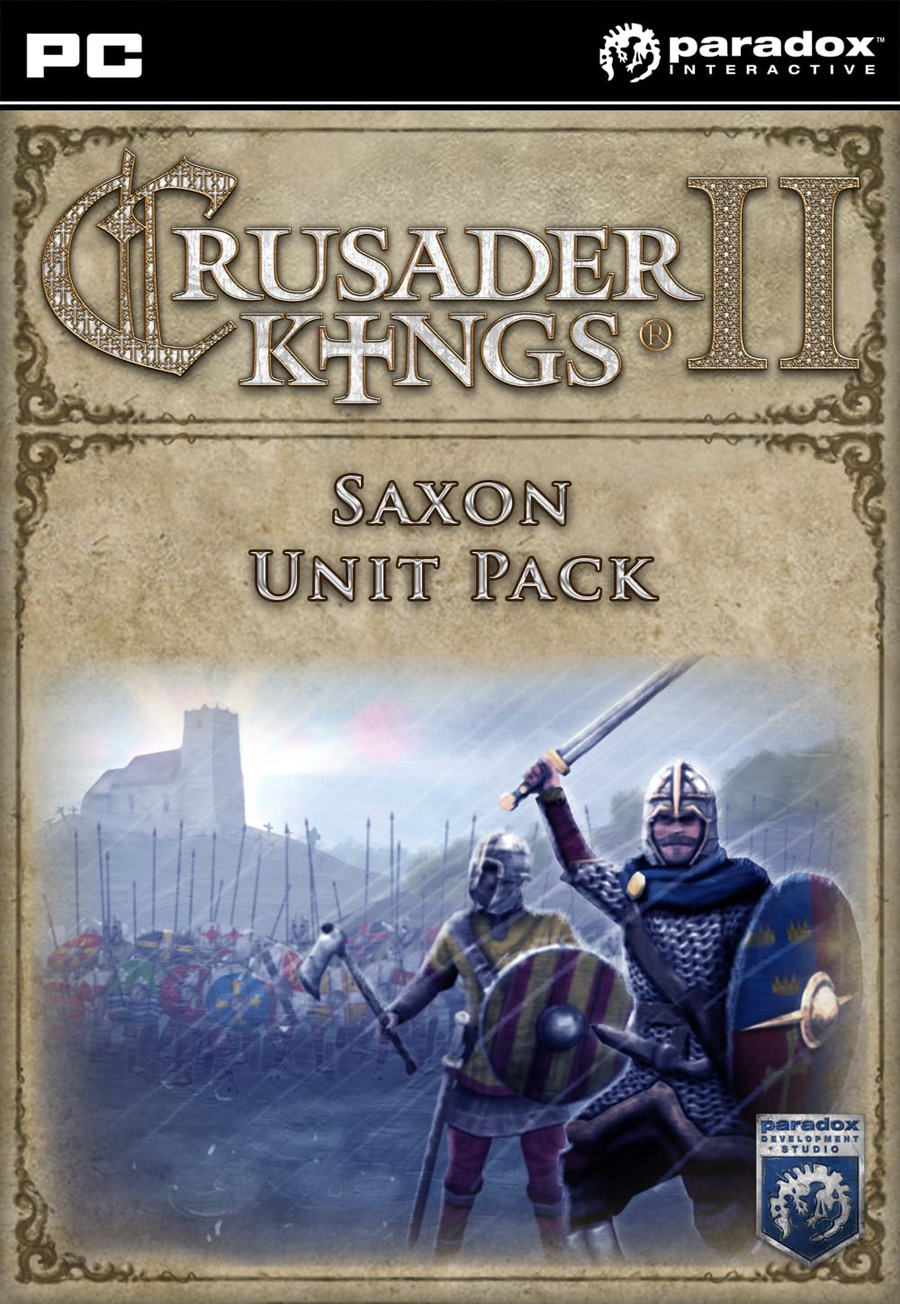 Crusader Kings 2
 Crusader Kings 3
 Hearts of Iron IV
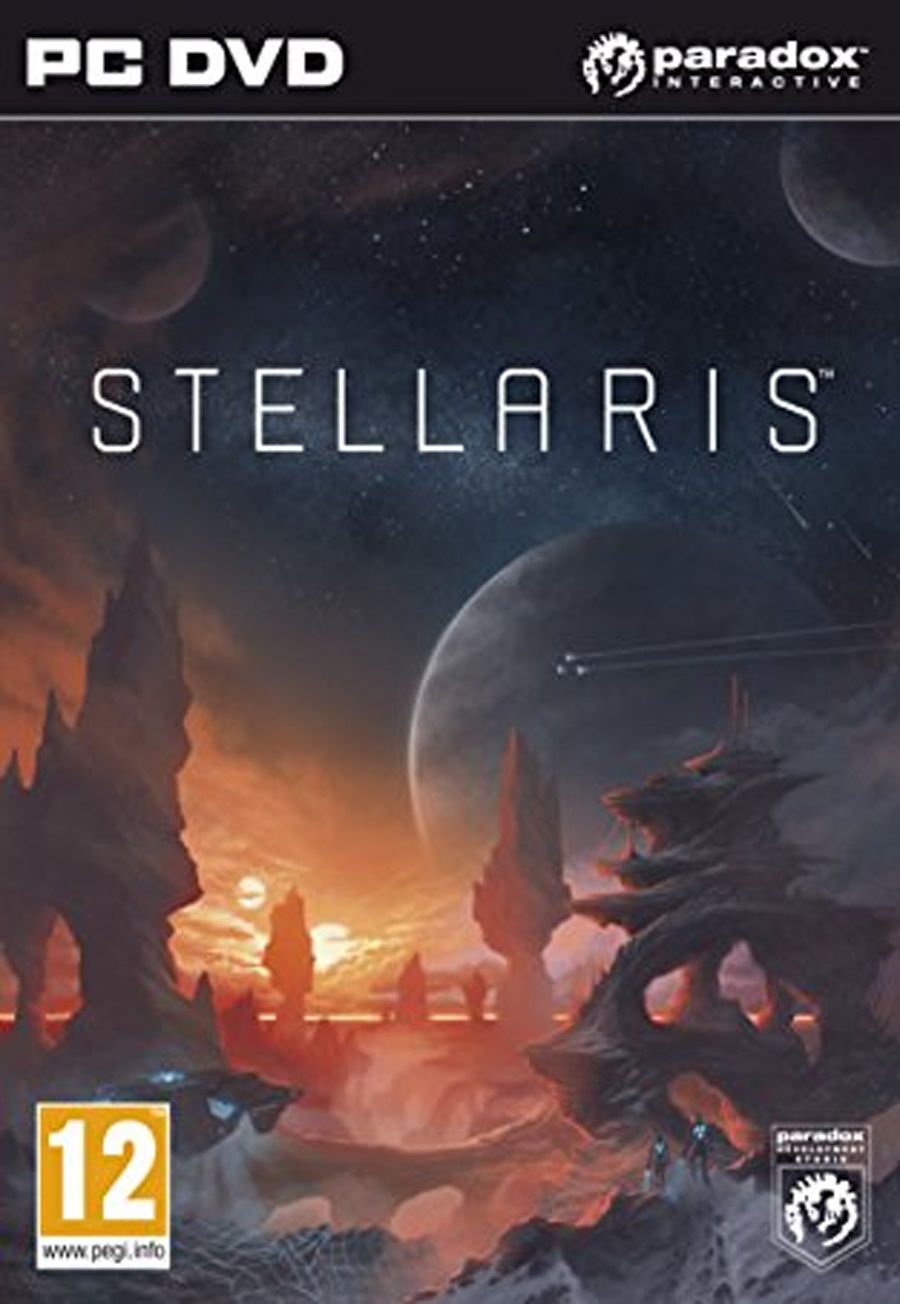 Stellaris
 Cities: Skylines
 Cities: Skylines II
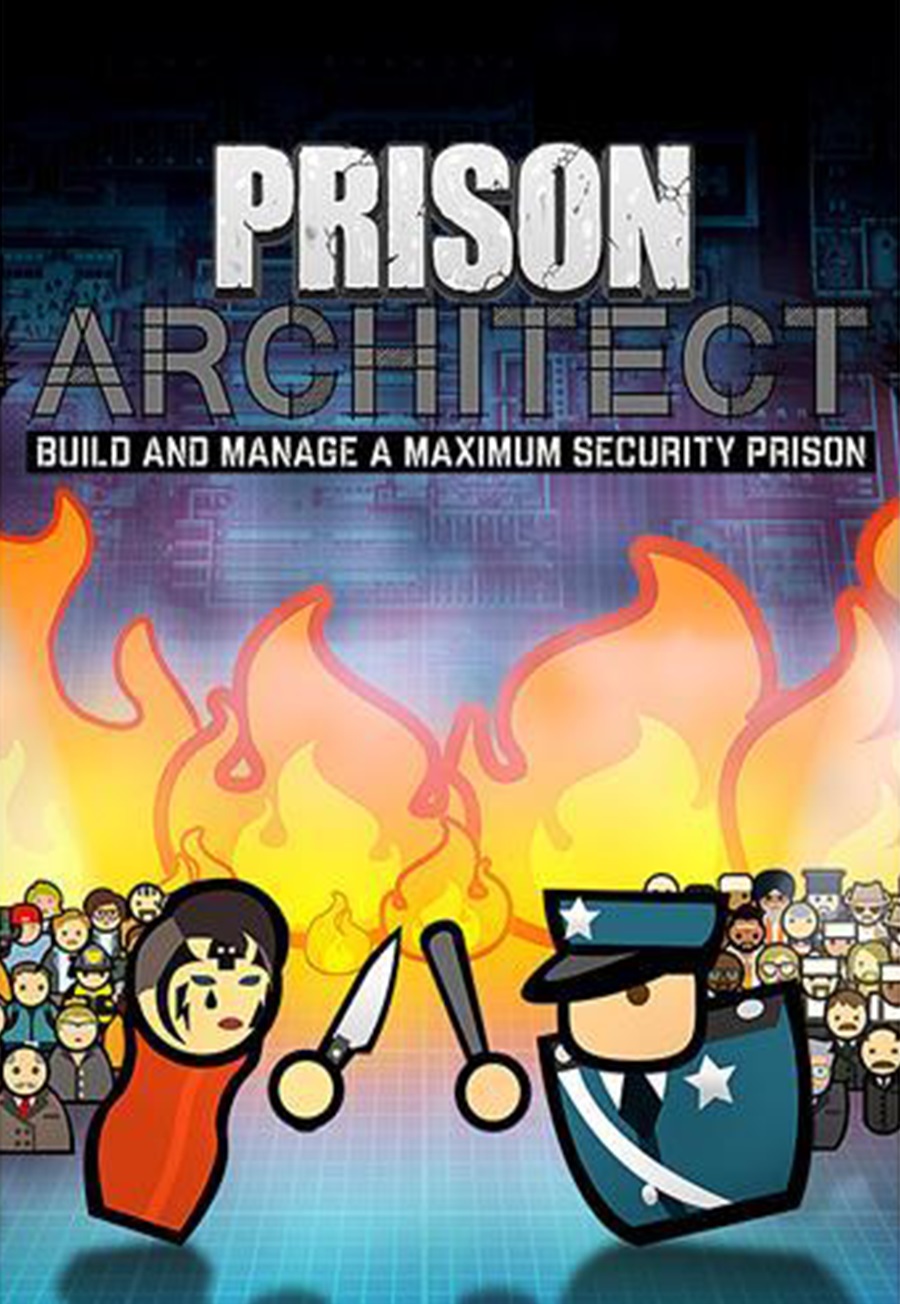 Prison Architect
 RimWorld
 Euro Truck Simulator 2
 American Truck Simulator
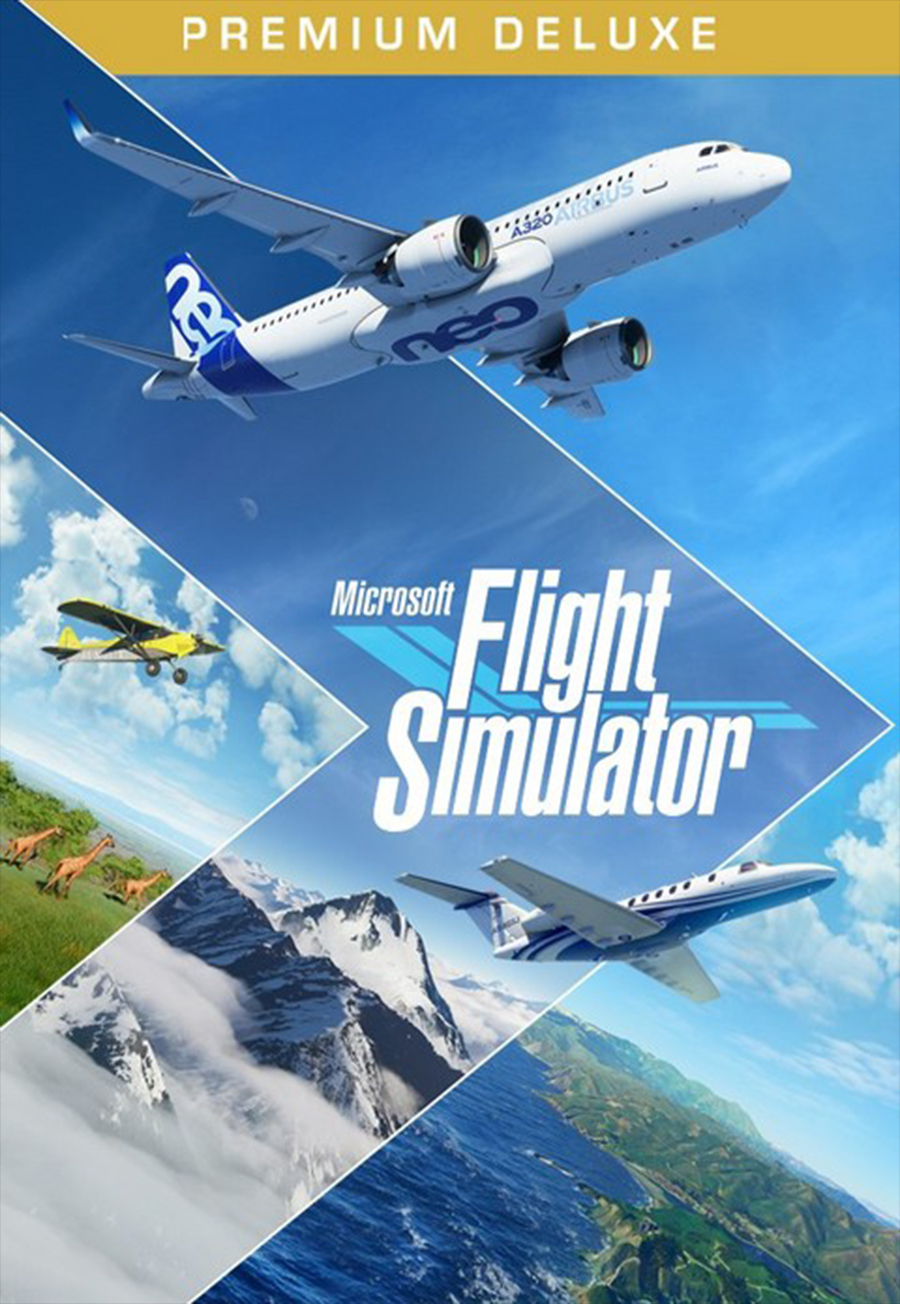 Microsoft Flight Simulator 2020
 Farming Simulator 17
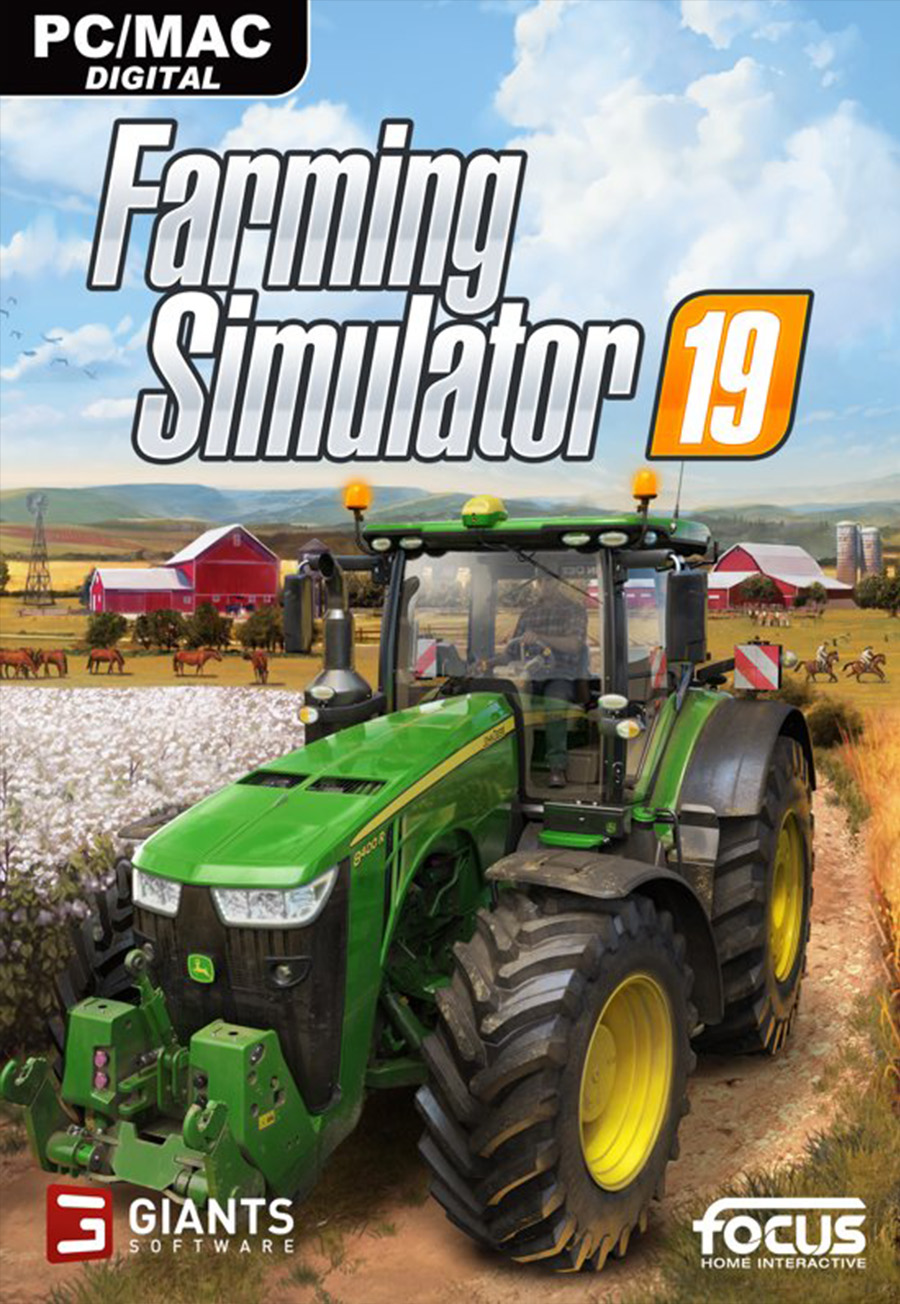 Farming Simulator 19
 Spintires и Spintires: MudRunner
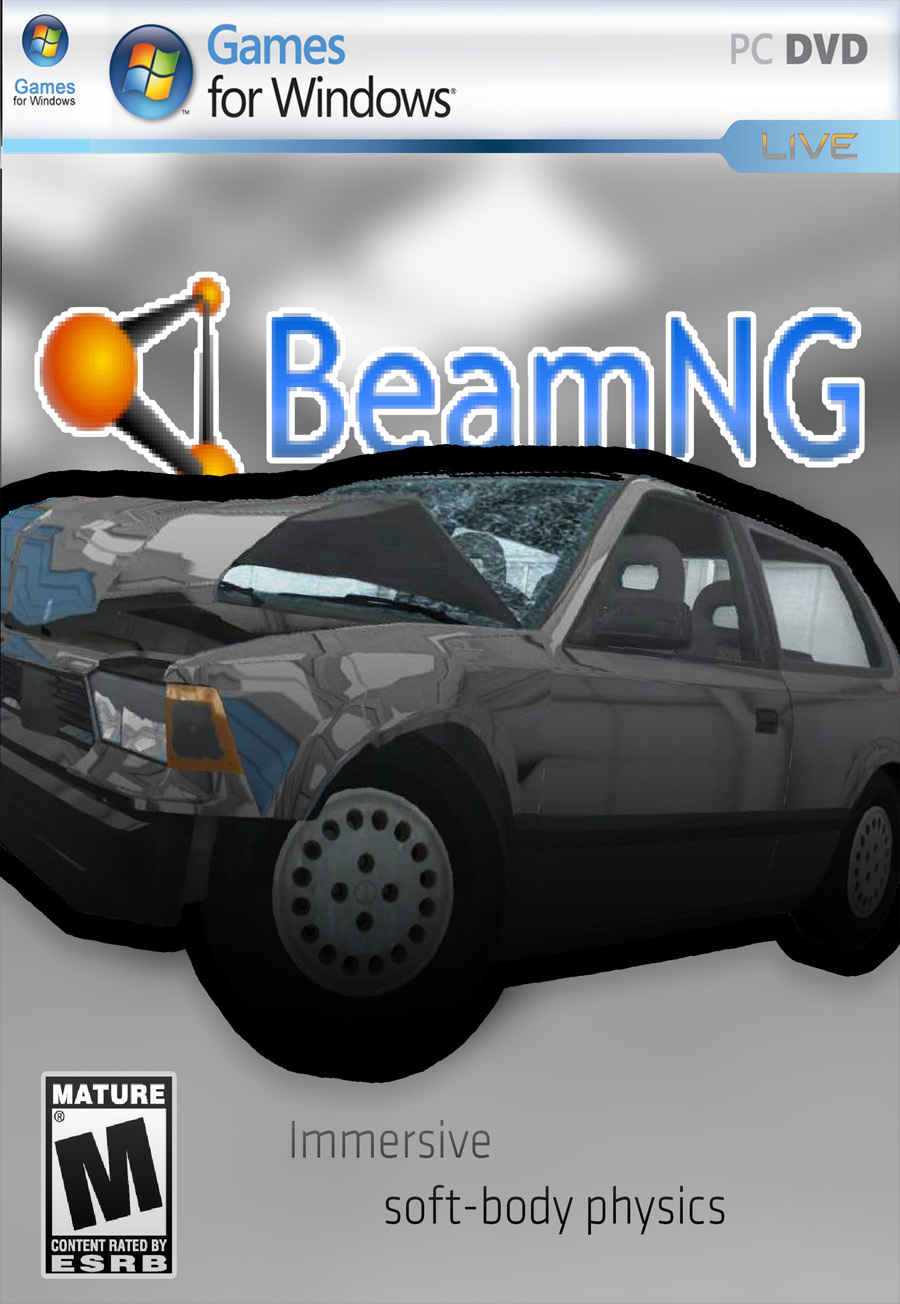 BeamNG.drive
 My Summer Car
 My Winter Car
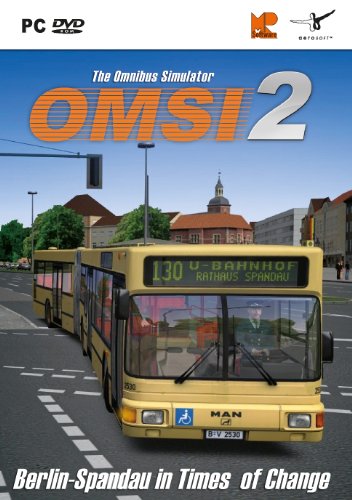 OMSI 2
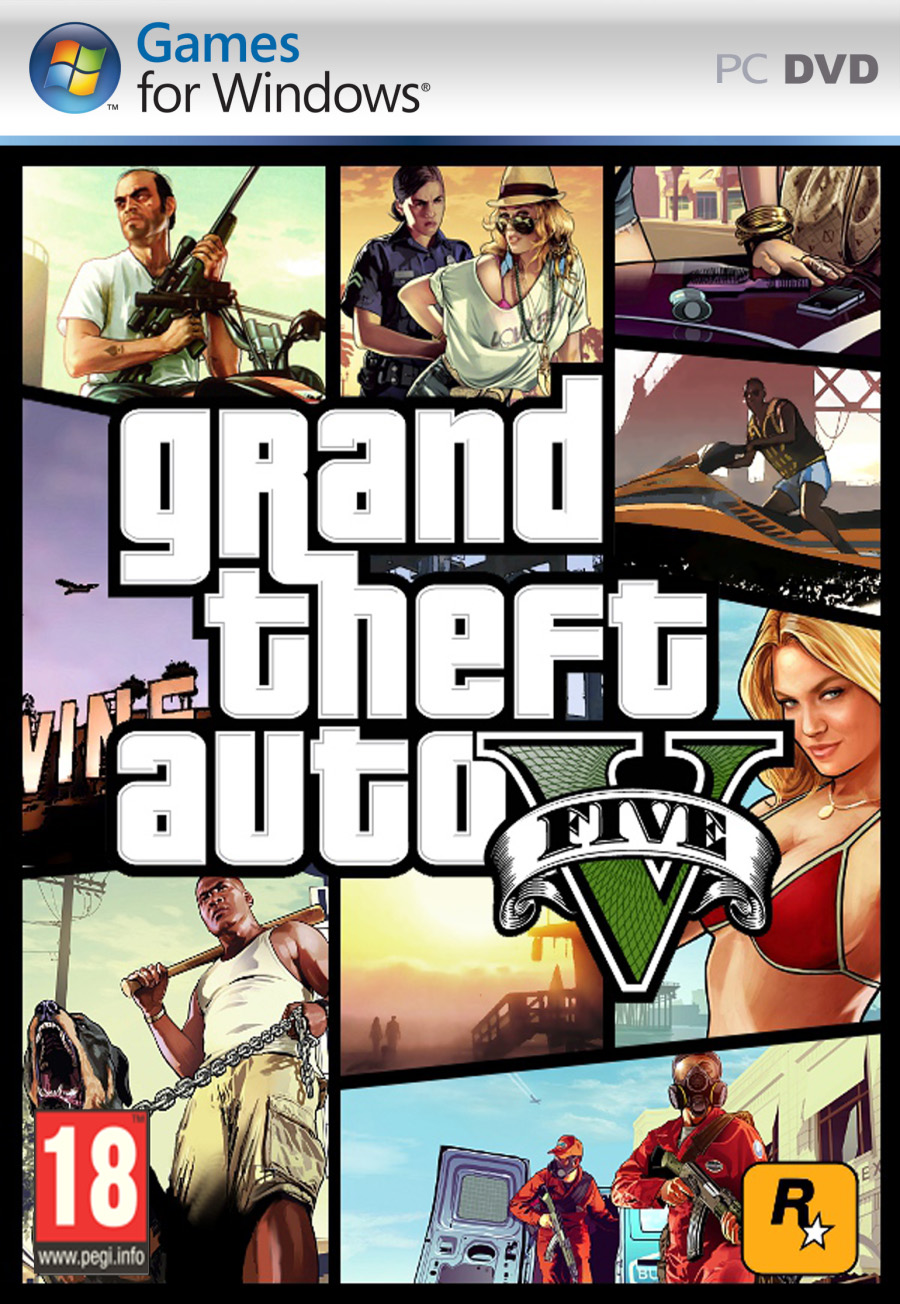 Grand Theft Auto: V
 Red Dead Redemption 2
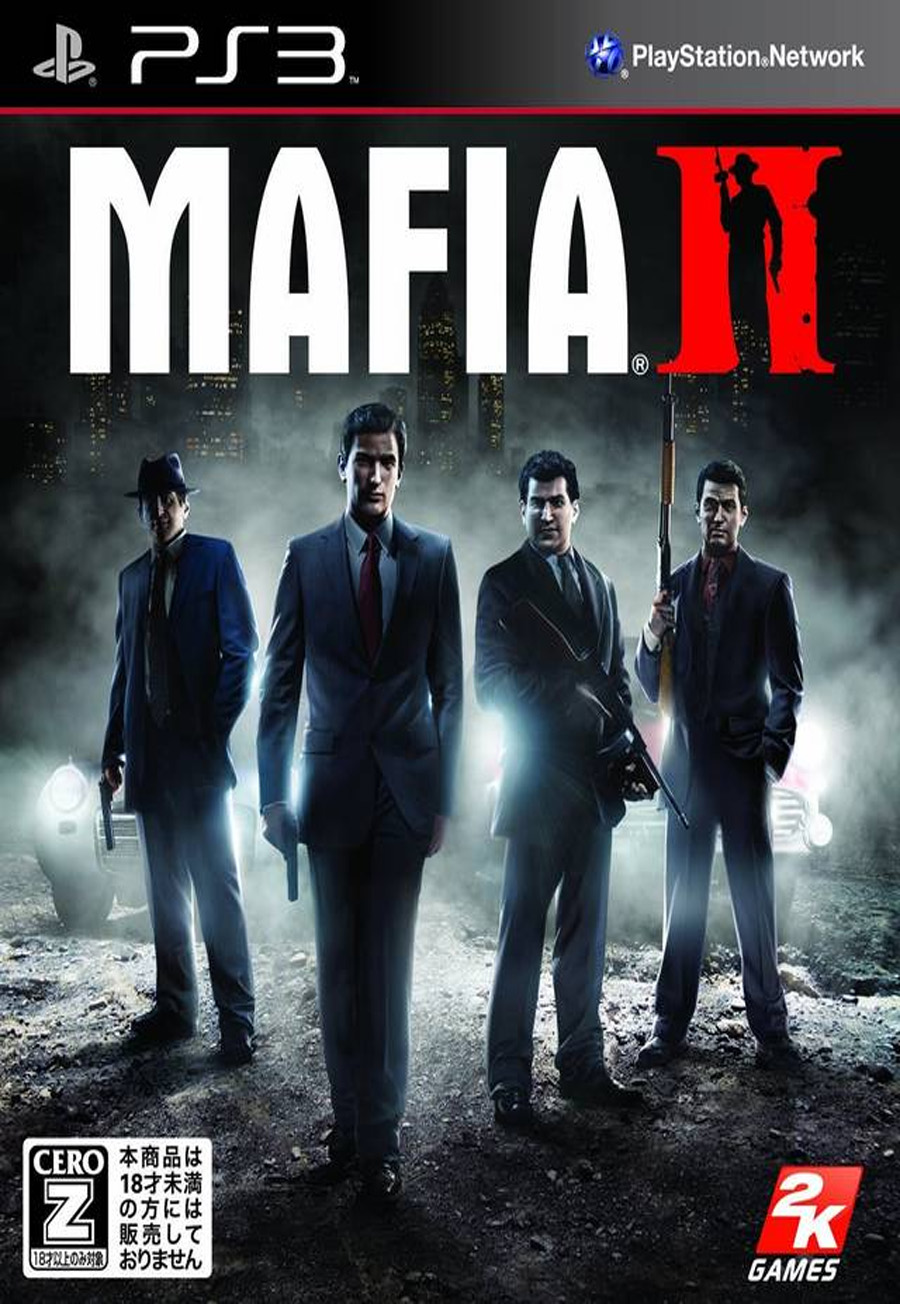 Mafia 2
 Stormworks: Build and Rescue
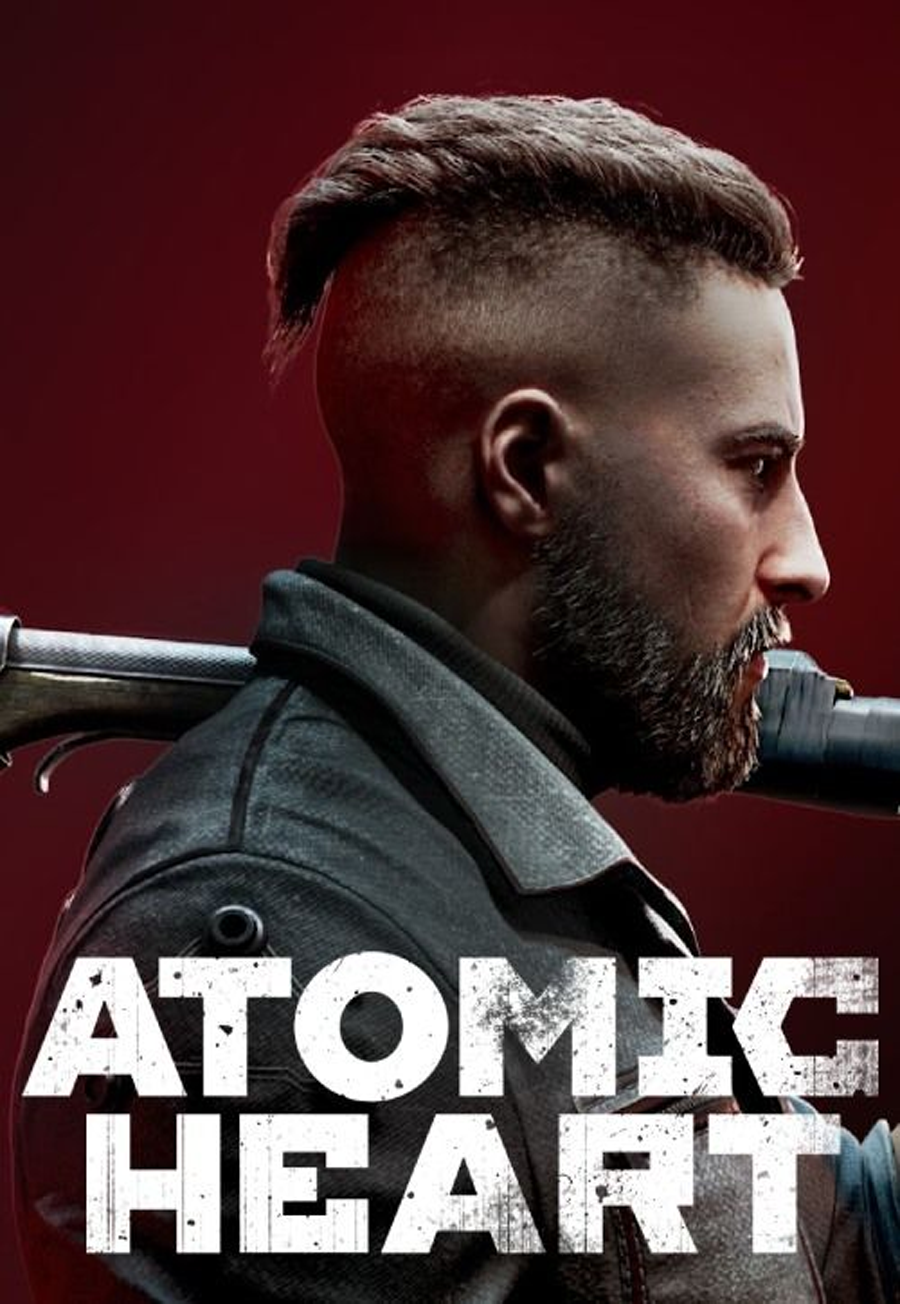 Atomic Heart
 Hogwarts Legacy
There is also a human story beneath the keystrokes. Some users chase reach because it confers status in a narrow economy of wins and views; others rationalize it as experimentation, a probe into system boundaries. A few, caught and banned, return chastened—or find new servers where shadow rules apply. The cycle repeats, a feedback loop between curiosity, power, and correction.
Still, the phenomenon reveals deeper truths about play. Games are systems of mutual belief: that rules are honored, that outcomes mean something. Reach hacks strip one layer of that pact, exposing play as a contest of leverage instead of skill. They force designers to codify empathy into code: to anticipate bad faith, to design systems resilient to exploitation, to craft incentives for honesty.
Perhaps the most haunting aspect is the quiet normalization. As hacks proliferate, thresholds shift: what once astonished becomes expected, then mundane. Servers harden, communities fracture into sanctuaries of purity and arenas of tolerated transgression. The remaining players adapt—playing with an eye for the unseen, mastering counterplay that is less about swordplay than suspicion.
Reach hacks — Minecraft Bedrock’s whispered contagion — creep through servers like a polished blade: invisible, precise, inevitable. They are the slender art of stretching a player’s influence beyond flesh and pixel, a sleight of code that makes fists strike from impossible distances and turns polite skirmishes into puppet shows.
In the end, reach hacks are a mirror held up to multiplayer’s soul. They ask: is competition a measure of skill, or of who can best manipulate systems? They compel creators to be architects of both mechanics and trust. And for the rest of us—spectators, victims, reformed exploiters—the unfolding teaches a lesson older than any update: that games thrive not merely on rules, but on the shared belief that those rules matter.


