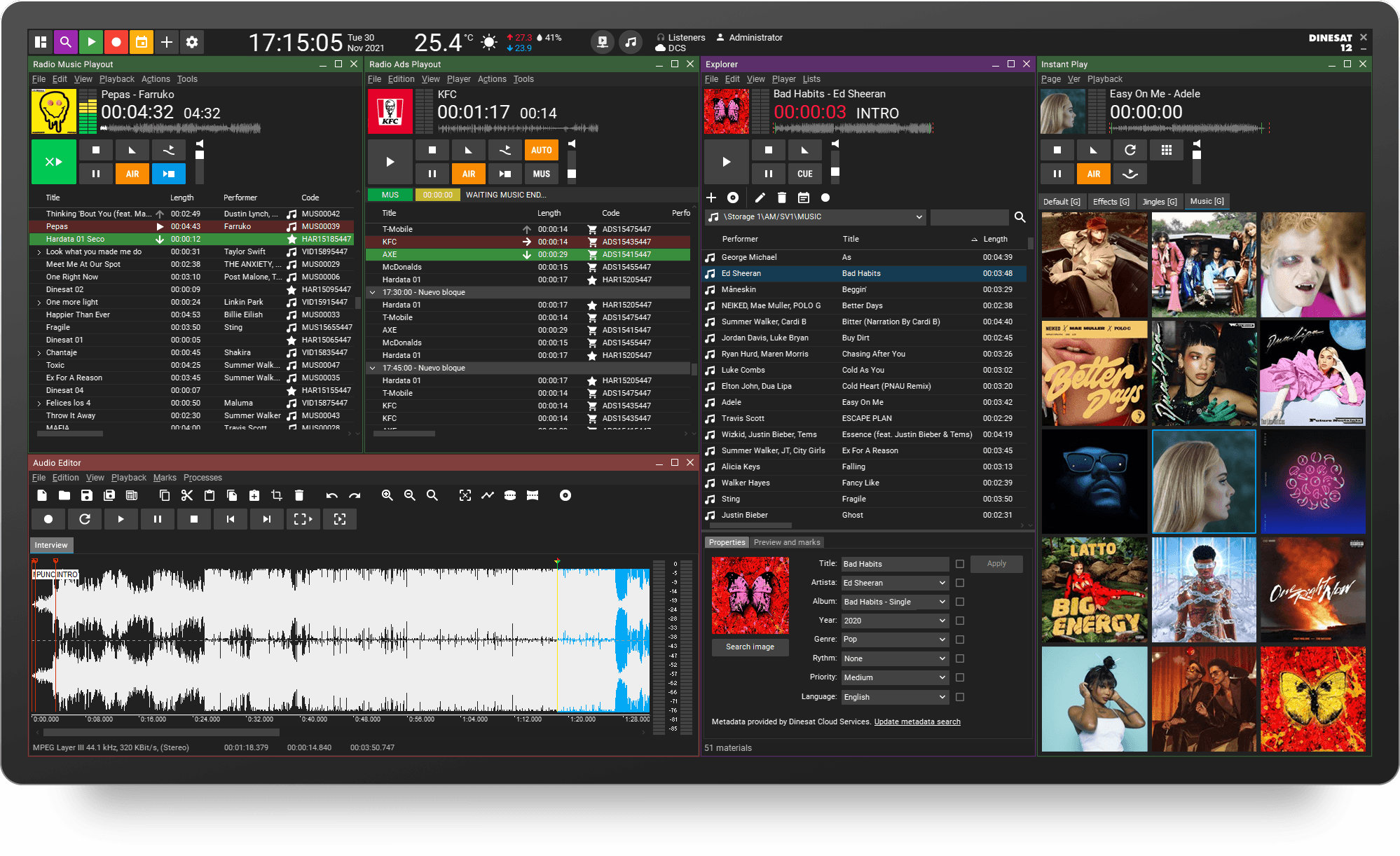
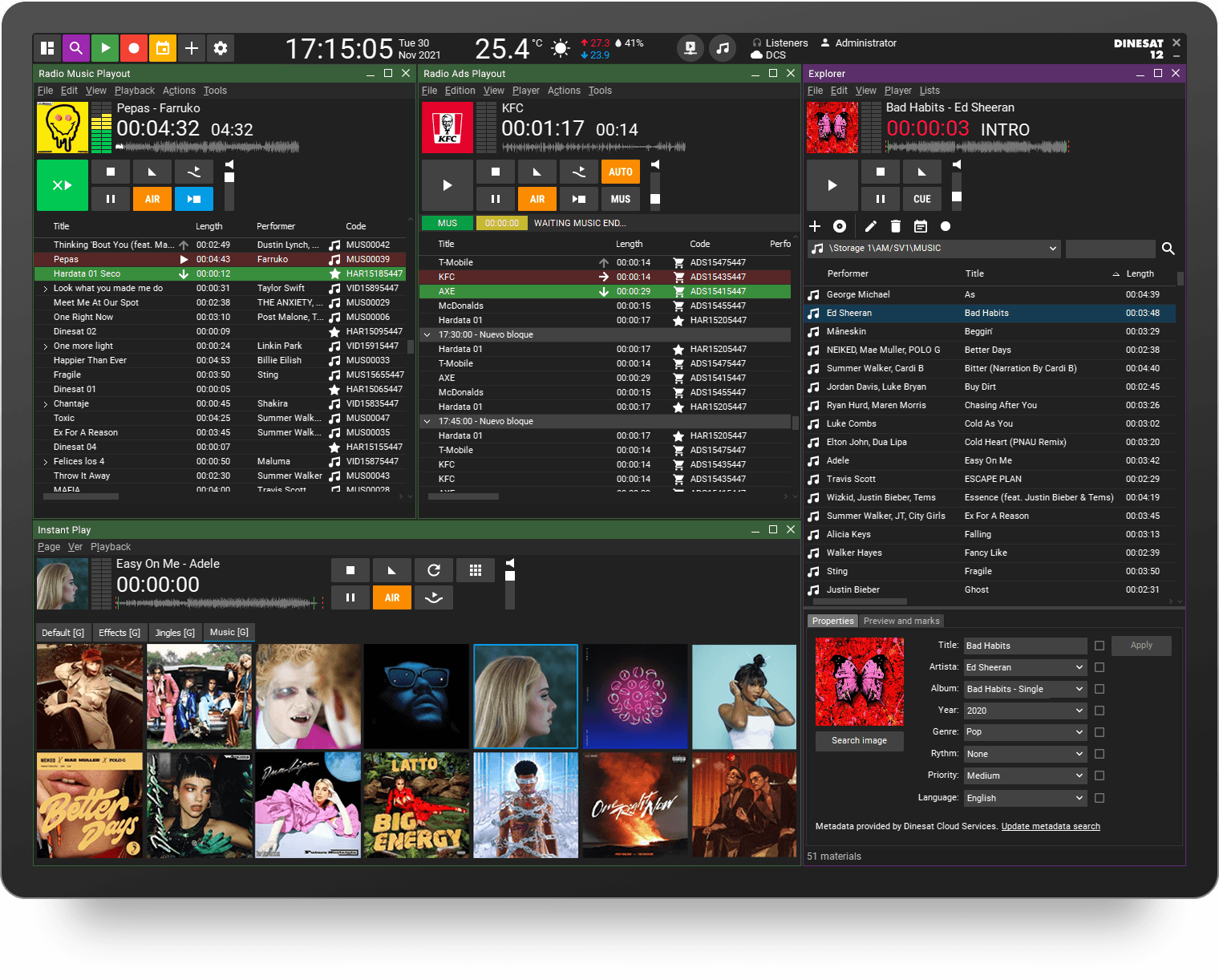
Revoluciona tu radio con
 Automatización + Inteligencia Artificial
Automatización + Inteligencia Artificial
Automatización + Inteligencia Artificial
DINESAT 12 es un automatizador pensado para pequeñas y medianas emisoras de radio. Desarrollado para lograr una emisión prolija y profesional de tu contenido.
Indian cinema, particularly Hindi and Tamil films, has a rich history of portraying romantic relationships and storylines that captivate audiences. These storylines often reflect societal values, cultural norms, and the changing dynamics of relationships. This paper aims to analyze and compare the representation of romantic relationships and storylines in Hindi and Tamil cinema, highlighting their evolution over time and the impact of cultural and social factors on these portrayals.
Over the years, romantic relationships and storylines in Hindi and Tamil cinema have undergone significant changes. Earlier films, such as Hum Aapke Hain Koun..! (1994) and Pallu Padama Paathuka (2014), typically depicted traditional, conservative, and family-oriented relationships. In contrast, contemporary films like Dilwale Dulhania Le Jayenge (1995) and Ennu Ninte Moideen (2015) showcase more progressive and modern relationships.
A comparative analysis of Hindi and Tamil cinema reveals both similarities and differences in their portrayal of romantic relationships and storylines. Both industries have traditionally emphasized the importance of family, duty, and social obligations in relationships. However, Tamil cinema often focuses on more realistic and grounded portrayals, while Hindi cinema tends to emphasize melodrama and spectacle.
Hindi cinema, also known as Bollywood, has its roots in the Indian film industry's early days. With the first film, Raja Harishchandra , released in 1913, Hindi cinema has grown exponentially, producing numerous iconic films that have become an integral part of Indian popular culture. Tamil cinema, or Kollywood, has a similarly rich history, with its first film, Keechaka Vadham , released in 1918. Both industries have produced films that showcase romantic relationships and storylines, reflecting the cultural and social values of their time.
In conclusion, Hindi and Tamil cinema have a rich tradition of portraying romantic relationships and storylines that reflect societal values and cultural norms. While both industries share common themes and trends, they also exhibit distinct differences in their approach to storytelling and character development. By analyzing these portrayals, we can gain a deeper understanding of the changing dynamics of relationships in Indian society and the impact of cultural and social factors on these portrayals.
Exploring Romantic Relationships and Storylines in Hindi and Tamil Cinema: A Comparative Analysis
Indian cinema, particularly Hindi and Tamil films, has a rich history of portraying romantic relationships and storylines that captivate audiences. These storylines often reflect societal values, cultural norms, and the changing dynamics of relationships. This paper aims to analyze and compare the representation of romantic relationships and storylines in Hindi and Tamil cinema, highlighting their evolution over time and the impact of cultural and social factors on these portrayals.
Over the years, romantic relationships and storylines in Hindi and Tamil cinema have undergone significant changes. Earlier films, such as Hum Aapke Hain Koun..! (1994) and Pallu Padama Paathuka (2014), typically depicted traditional, conservative, and family-oriented relationships. In contrast, contemporary films like Dilwale Dulhania Le Jayenge (1995) and Ennu Ninte Moideen (2015) showcase more progressive and modern relationships.
A comparative analysis of Hindi and Tamil cinema reveals both similarities and differences in their portrayal of romantic relationships and storylines. Both industries have traditionally emphasized the importance of family, duty, and social obligations in relationships. However, Tamil cinema often focuses on more realistic and grounded portrayals, while Hindi cinema tends to emphasize melodrama and spectacle.
Hindi cinema, also known as Bollywood, has its roots in the Indian film industry's early days. With the first film, Raja Harishchandra , released in 1913, Hindi cinema has grown exponentially, producing numerous iconic films that have become an integral part of Indian popular culture. Tamil cinema, or Kollywood, has a similarly rich history, with its first film, Keechaka Vadham , released in 1918. Both industries have produced films that showcase romantic relationships and storylines, reflecting the cultural and social values of their time.
In conclusion, Hindi and Tamil cinema have a rich tradition of portraying romantic relationships and storylines that reflect societal values and cultural norms. While both industries share common themes and trends, they also exhibit distinct differences in their approach to storytelling and character development. By analyzing these portrayals, we can gain a deeper understanding of the changing dynamics of relationships in Indian society and the impact of cultural and social factors on these portrayals.
Exploring Romantic Relationships and Storylines in Hindi and Tamil Cinema: A Comparative Analysis
Ahora puedes contratar el servicio de streaming de DINESAT, haciendo que tu radio se escuche en cualquier lugar del mundo.
El precio corresponde a un año de servicio de streaming. Calidad de sonido MP3 128kbps / AAC 96kbps.
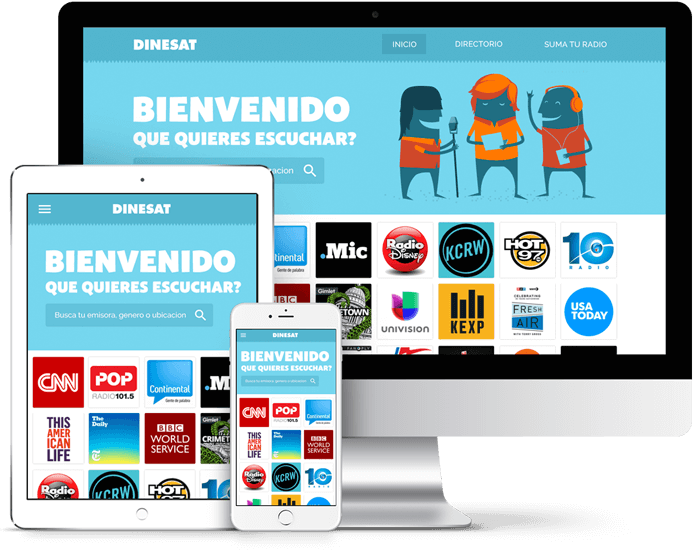
Diseñamos ambas aplicaciones y las dejamos disponibles en las tiendas para todos tus oyentes.
Hoy más que nunca necesitas tu aplicación para teléfonos móviles para que puedas acompañar a tu audiencia vaya adonde vaya.
Las aplicaciones contarán con el logotipo de la emisora, botón para escuchar y pausar, control de volumen, links a redes sociales y background playback.

La Asistencia Personalizada te ayudará a evitar o solucionar problemas. El servicio incluye atención prioritaria por mail, asistencia remota y línea de emergencias 24/7 sólo para problemas de emisión de aire.
Si ya cuentas con una suscripción activa contacta a Soporte.
Ir a SoporteEl soporte gratuito es sólo para consultas relacionadas con la instalación y activación inicial del producto. También puedes consultar el Centro de Ayuda donde encontrarás información útil sobre nuestros productos.